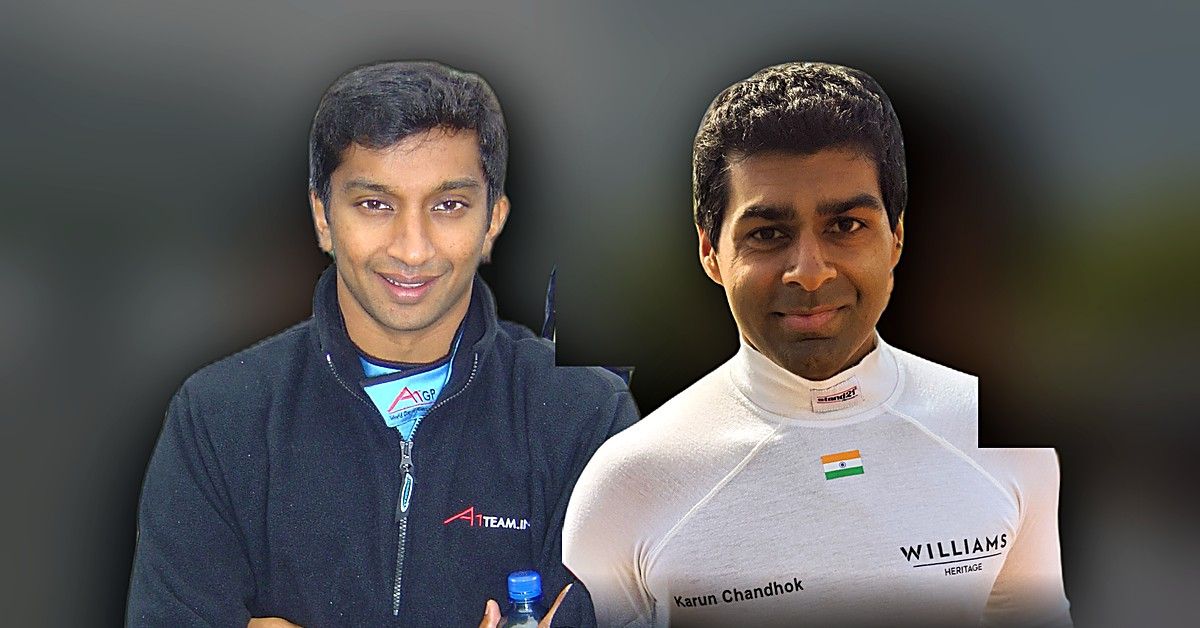
Two.
Two Indians have started a Formula 1 world championship race. Between them they made 57 starts and scored five points, all five of those on one strange afternoon in Indianapolis in 2005. The last of those starts was in July 2011.
That is the whole record. It is shorter than most people expect from a country of 1.4 billion people with a serious motorsport culture, and the reasons are structural rather than a shortage of ability.
| Driver | Seasons | Teams | Starts | Points | Best finish |
|---|---|---|---|---|---|
| Narain Karthikeyan | 2005, 2011, 2012 | Jordan, HRT | 46 | 5 | 4th, 2005 United States GP |
| Karun Chandhok | 2010, 2011 | HRT, Team Lotus | 11 | 0 | 14th, 2010 Australian GP |
Narain Karthikeyan: the one who went first
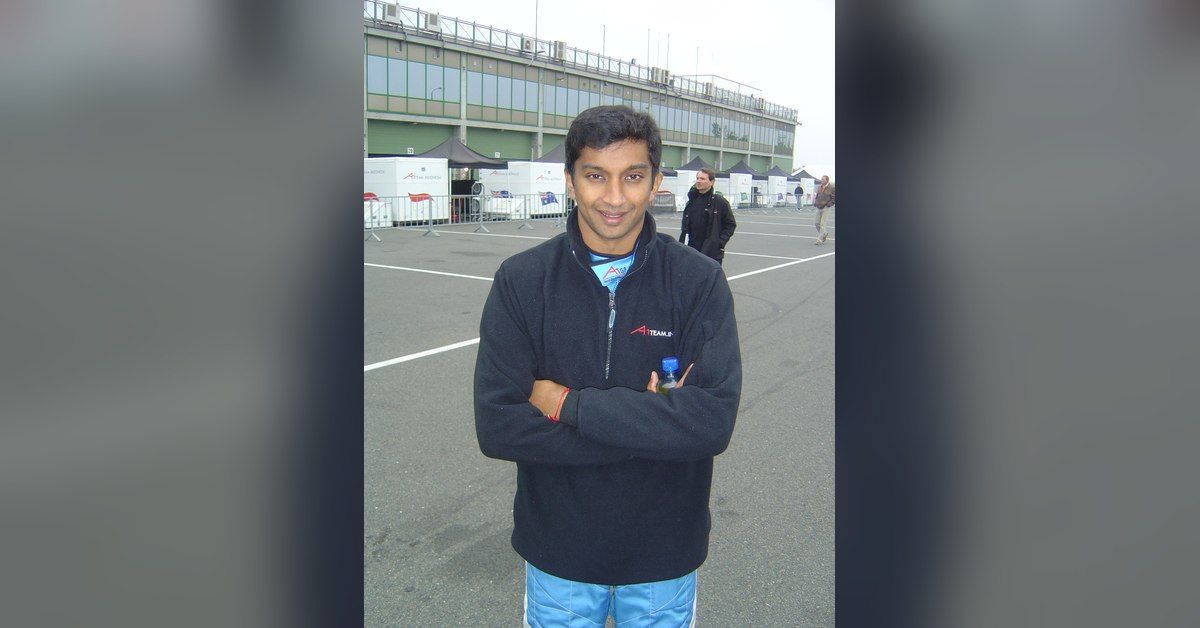
Karthikeyan made it to Formula 1 in 2005 with Jordan, partnering Tiago Monteiro. He was 28, which is old for a debut, and he had spent most of the previous decade grinding through European junior categories at a time when no Indian driver had any kind of pathway to follow.
The numbers from that season look thin until you read them properly. Forty-six starts across three campaigns, five points, a best grid slot of eleventh, thirteen retirements. Every one of those starts came in a car that belonged at the back. Jordan in 2005 was a team being wound down before its sale. HRT, in 2011 and 2012, was the slowest car on the grid in both seasons.
The five points came at Indianapolis in 2005, in the race where all fourteen Michelin runners withdrew after the formation lap over tyre safety and six cars started. Karthikeyan finished fourth. People are dismissive about it, and they have a point about the circumstances, but it remains the best finish by an Indian driver in Formula 1 and he had to be in the right seat, in the right season, to take it.
What gets missed is everything around the Formula 1 years. He won in A1 Grand Prix for A1 Team India, including a sprint victory in China in 2007. He was awarded the Padma Shri in 2010. He went on to a long and genuinely competitive career in Japan in Super Formula, which is a far stronger championship than most Indian coverage of him acknowledges, and raced sportscars into his forties.
He also got to race a Formula 1 car at home, at the Indian Grand Prix at the Buddh International Circuit in 2011 and 2012. Not many drivers who spend their careers at the back of the grid get that.
Karun Chandhok: the second, and the one you now hear every race weekend
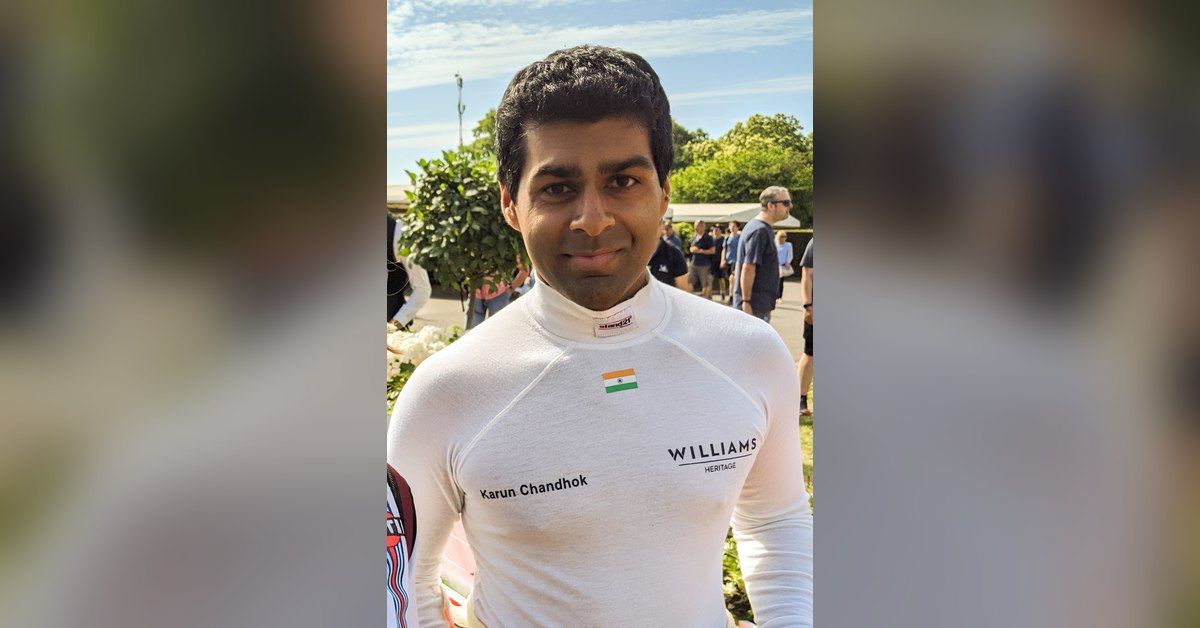
Chandhok arrived five years after Karthikeyan, debuting at the 2010 Bahrain Grand Prix with the newly formed Hispania Racing Team.
HRT in 2010 is worth describing, because it explains the results. The car had barely turned a wheel before the season started. Chandhok's best finish was fourteenth in Australia, which was also the team's best result that year. He started ten races before being replaced mid-season by Sakon Yamamoto, then spent 2011 as a reserve and simulator driver at Team Lotus, getting one further start at the German Grand Prix in place of Jarno Trulli.
Eleven starts. No points. On paper it is the thinner of the two careers by some distance.
In practice Chandhok has done more for Formula 1 in India than the race starts ever could. He moved into broadcasting and analysis, and he is now one of the most recognisable voices in the sport worldwide. He also kept driving, contesting the Le Mans 24 Hours between 2012 and 2015 and again in 2017, with a best finish of sixth in 2012.
He talked through the whole of it, the deals that nearly happened and the ones that did, on Formula 1's own podcast.
The team that was Indian
The other half of India's Formula 1 history is not a driver at all.
Force India raced under an Indian licence from 2008 to 2018. For a decade there was an Indian entry on the grid, and for a while it was genuinely good: fourth in the constructors' championship in both 2016 and 2017, ahead of teams with far larger budgets.
Its single most remarkable day came at Spa-Francorchamps in 2009. Giancarlo Fisichella put the car on pole with a 1:46.308, the team's first and only pole position, and finished second the next day. Until that weekend, Force India had never scored a championship point.
It was Indian in licence and ownership rather than in personnel, and it almost never ran Indian drivers. But it put the flag on the entry list for ten years, which is longer than either of the two actual Indian drivers managed.
India had a round of the world championship for three years, at the Buddh International Circuit, from 2011 to 2013. Sebastian Vettel won all three, and the last of them sealed his fourth title.
Then it stopped, and it has not come back. Taxation disputes and the classification of the event as entertainment rather than sport are the reasons usually given.
Daruvala is the closest an Indian driver has come to Formula 1 since Chandhok, and he got closer than the casual version of the story suggests.
He became the first Indian to win a Formula 2 race, taking the sprint at Sakhir in 2020 with Carlin. He then won in every season he contested: two more in 2021, a feature race at Monza in 2022 with Prema, four wins and fifteen podiums in total across four campaigns with Carlin, Prema and MP Motorsport. He finished seventh in the championship in both 2021 and 2022. He also did Formula 1 test mileage through McLaren's programme for previous cars.
None of it turned into a race seat. He moved to Formula E, first as reserve and simulator driver at Mahindra Racing, then as a full-time race driver with Maserati MSG Racing.
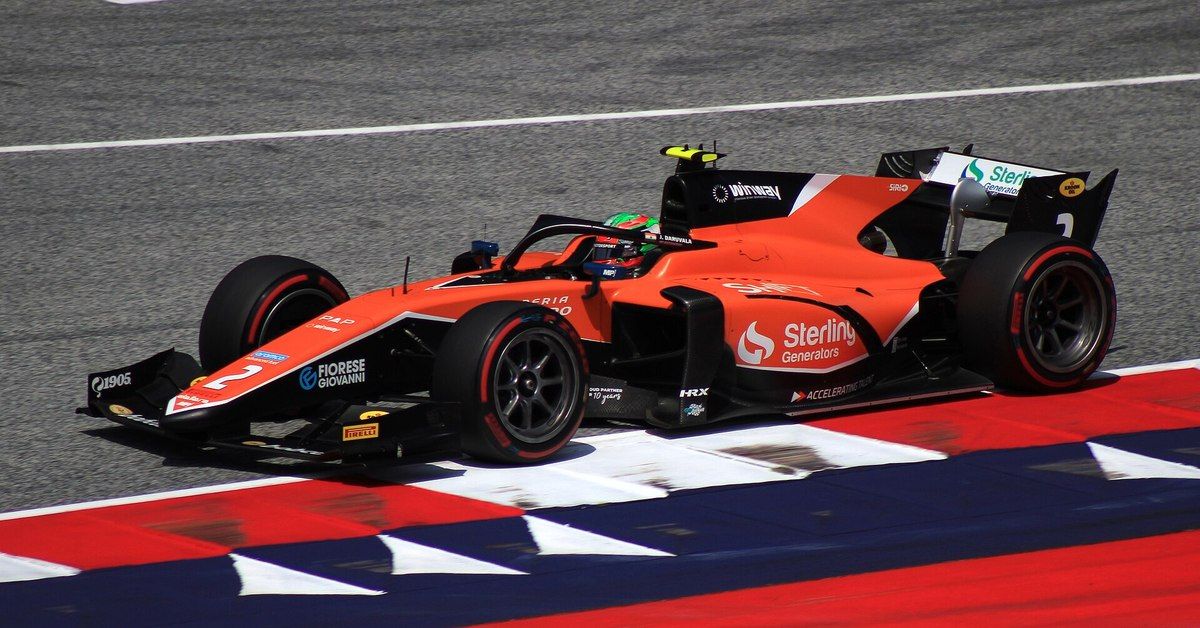
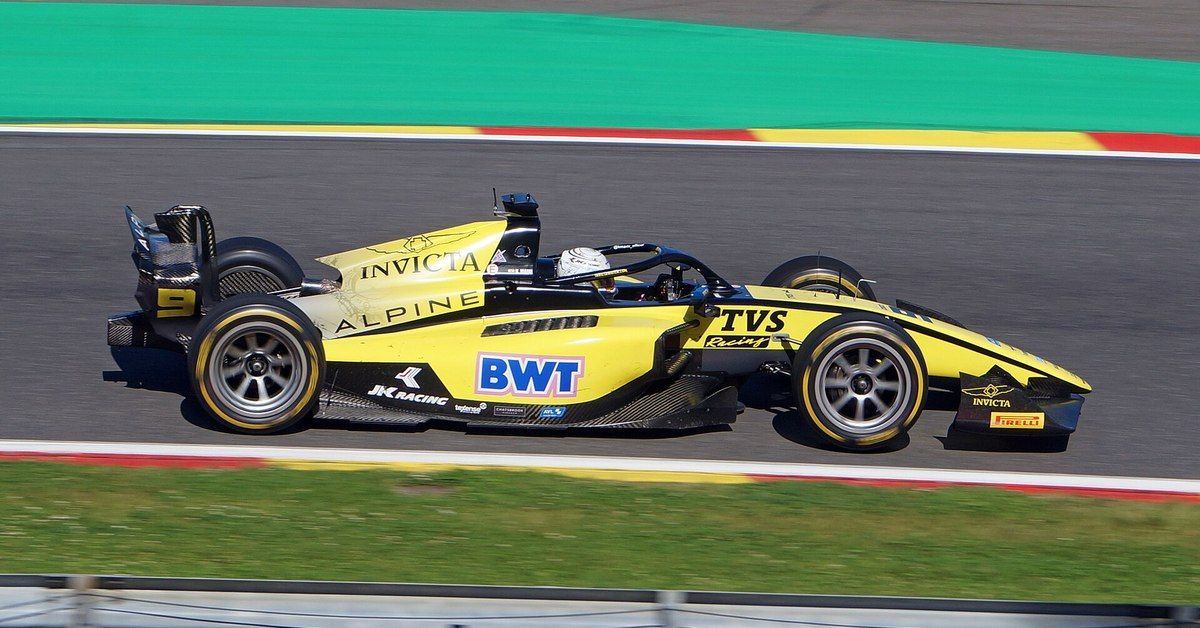
Maini is the Indian driver currently closest to the front of the queue. He has raced Formula 2 since 2023, with two wins and seven podiums, and is signed to ART Grand Prix for a fourth campaign in 2026. He has been backed by the Alpine academy programme.
His brother Arjun Maini also reached Formula 2, with Trident, and has since built a solid career in sportscar and touring car racing.
Why it keeps stalling at Formula 2
Look at the pattern. Karthikeyan, Chandhok, Daruvala, both Mainis. Every one of them reached Formula 2 or its direct equivalent. Only two converted, and both into the slowest cars on the grid.
Formula 2 is where funding rather than pace eliminates most of the field. A season runs well into seven figures in euros, and the drivers who get promoted out of it are generally the ones inside a manufacturer academy that is paying for them and has a seat to give. India has no Formula 1 team, no manufacturer academy of its own, and no domestic championship above Formula 4.
That last one is the specific, fixable problem. A driver leaving Indian Formula 4 has nowhere domestic to go, and I have written about that gap in what the F4 Indian champion actually wins.
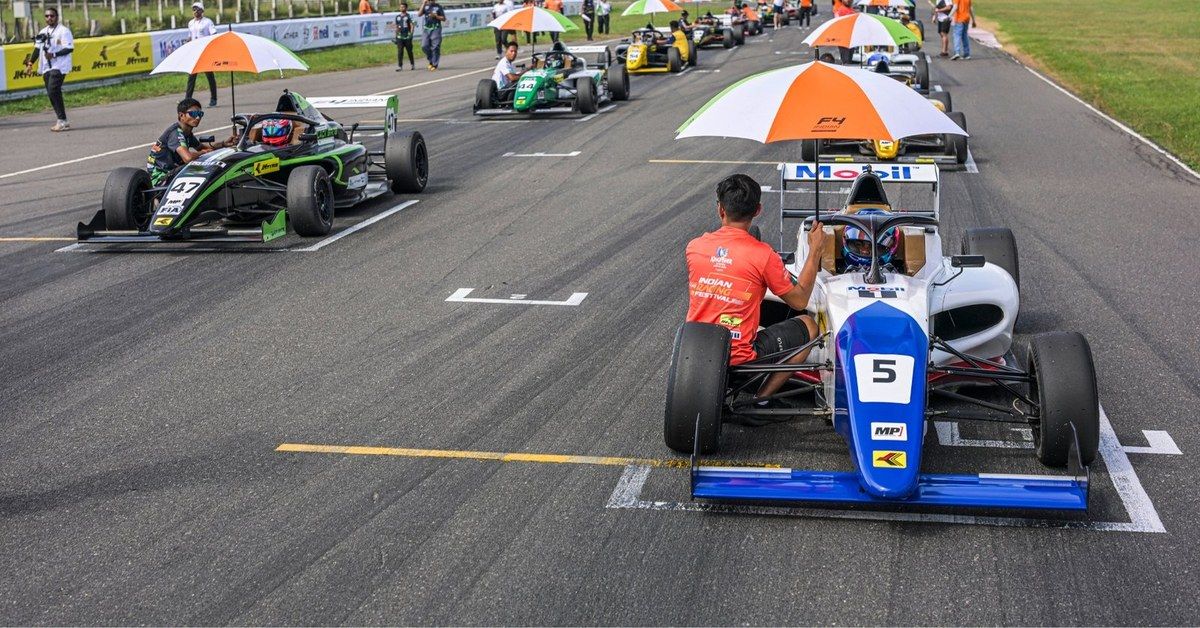
The F4 Indian Championship is the entry rung and it is genuinely well run. It is the cheapest FIA-certified Formula 4 series in the world, which is why it attracts a strongly international grid, and three seasons have produced three champions from Australia, South Africa and Kenya. The full list is here.
Above it, the ladder stops. The Formula Regional Indian Championship was announced for 2022 and has never raced.
Below it, Indian karting fields run ten to fifteen cars where European ones run sixty, so domestic results are hard to read against international ones. That problem is covered in how to become a racing driver in India.
When does India get a third
Not soon, on current structures.
A driver on an Indian Formula 4 grid today is six to eight years from a realistic Formula 1 conversation. They need forty FIA superlicence points to be eligible at all, and several million euros to get through Formula 3 and Formula 2 to earn them.
What changes that timeline is not a more talented teenager. India has produced talented teenagers consistently for twenty years. It is a functioning rung above Formula 4, and a karting base deep enough that the teenager is already proven by the time they reach it.
The series that would have to feed all of it is explained in our complete guide to the F4 Indian Championship.