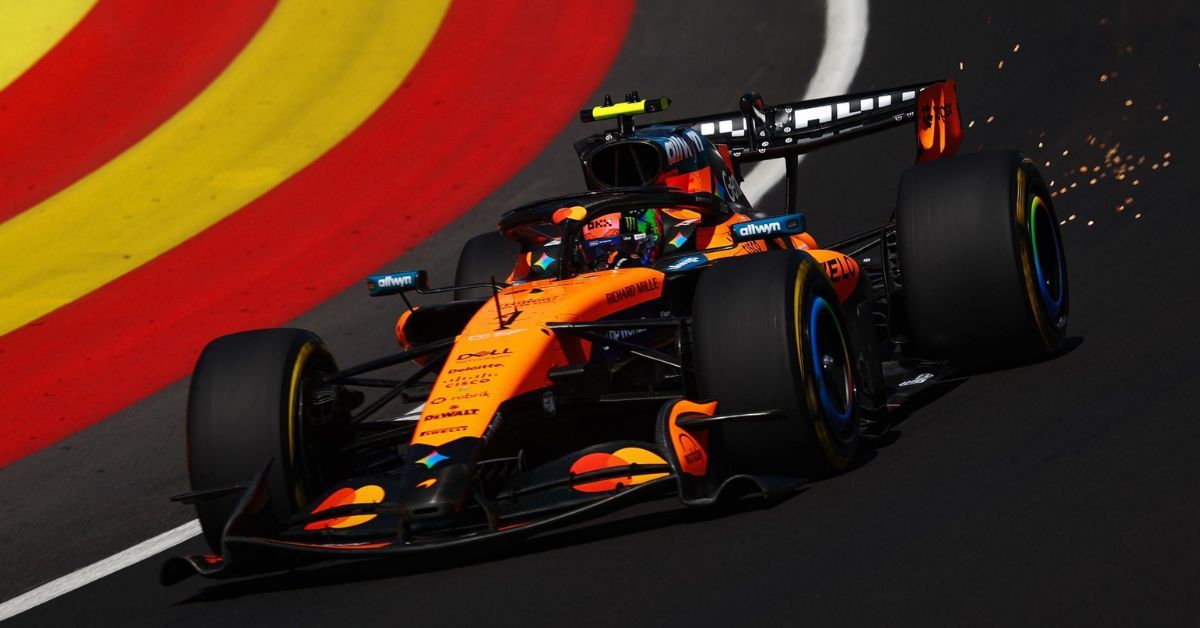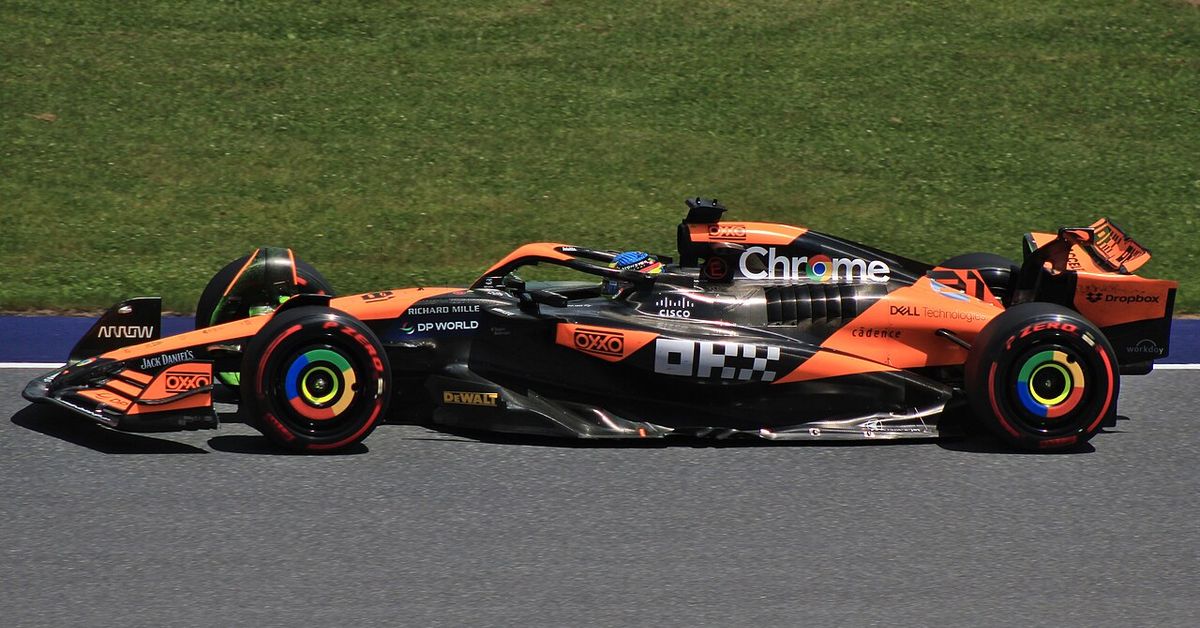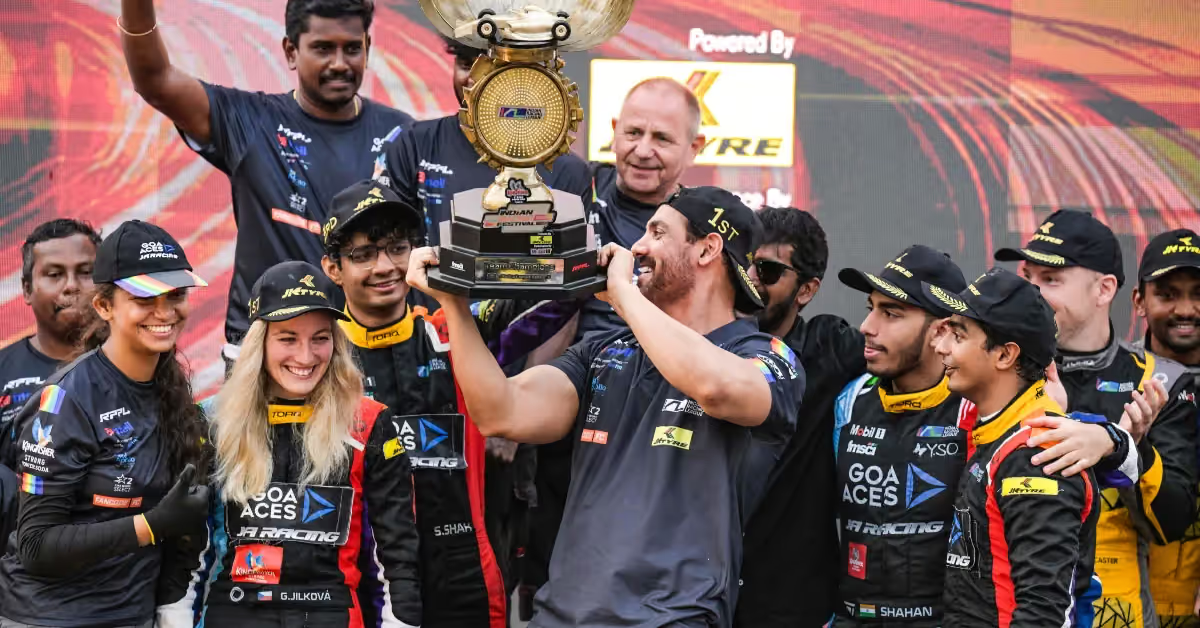

Most of the world's motorsport has spent the last decade running separate competitions for women and calling it progress. The Indian Racing League did something less discussed and, I would argue, more interesting: it wrote a woman into every team's line-up and left everyone on the same track at the same time.While F1's popularity among the female demographic continues to rise, India's decision to put a woman in every racing team that they represent shows a different kind of shift.
How the rule works
The Indian Racing League is a franchise championship with city-badged teams. Each team runs two cars and fields four drivers, and the composition of those four is regulated rather than left to the team.
A line-up must include an experienced international driver, an emerging international or Indian-origin talent, an Indian driver, and a female driver. Two of the four must be Indian or of Indian descent, and of the other two, one must be male and one female.
The result is that every single team on the grid has a woman in it, racing the same machinery, for the same team points, in the same races. The series describes itself as the world's first gender-neutral franchise-based league, and while "first" claims in motorsport are usually worth checking, the substance of the arrangement is unusual by any measure. And it speaks highly of India's attempt to involve women in the world of motorsport.
Why this is different from a women's championship
The standard approach elsewhere has been to create a separate series. The logic is that it guarantees seat time and visibility because seat time is the resource women in motorsport have historically been denied.
The counter-argument is just as real: a separate championship produces results that cannot be compared with the main field, which is the one thing a driver needs in order to be signed by anyone.
The Indian Racing League's rule sidesteps that trade-off. It guarantees the seat, which is what a separate series does, without separating the result, which is what a separate series costs you. A female driver's lap time here sits in the same timing sheet as everyone else's. That's equality.
Whether the mandate is the right mechanism is a fair question. But the decision and the intent behind it seem genuine.
Where this sits in the Indian Racing Festival
The Indian Racing League shares its calendar with the F4 Indian Championship under the Indian Racing Festival banner. The two run at the same venues on the same weekends, and in 2026 they share a finale at the new Navi Mumbai Street Circuit in December.
The F4 Indian Championship does not carry an equivalent rule. It is a conventional single-seater championship with one driver per car, and its grid in 2026 is entirely male. That is worth stating plainly, because the two series are frequently discussed as one thing.
The full 2026 calendar is here, and the F4 grid is here.
Six female drivers were announced for a recent season, a mix of returnees and debutants, which gives some sense of the scale. The measure that actually matters over time is not how many women race but how many of them accumulate enough competitive mileage to move somewhere else on the ladder.
Here is the part that the rule cannot fix on its own.
A mandate guarantees seats at the league level. It does not create the karting pipeline that fills them, and Indian karting has the same small-field problem for women that it has for everyone, only more so.
If the mandate works, it works by creating visible role models at a level young drivers can see, which eventually changes who turns up at a karting circuit at eight years old. That is a ten-to-fifteen-year mechanism, not a three year one, and it should be judged on that timescale.
For the wider picture of how anyone, of any gender, actually climbs from an Indian karting circuit to a professional seat, see how to become a racing driver in India.