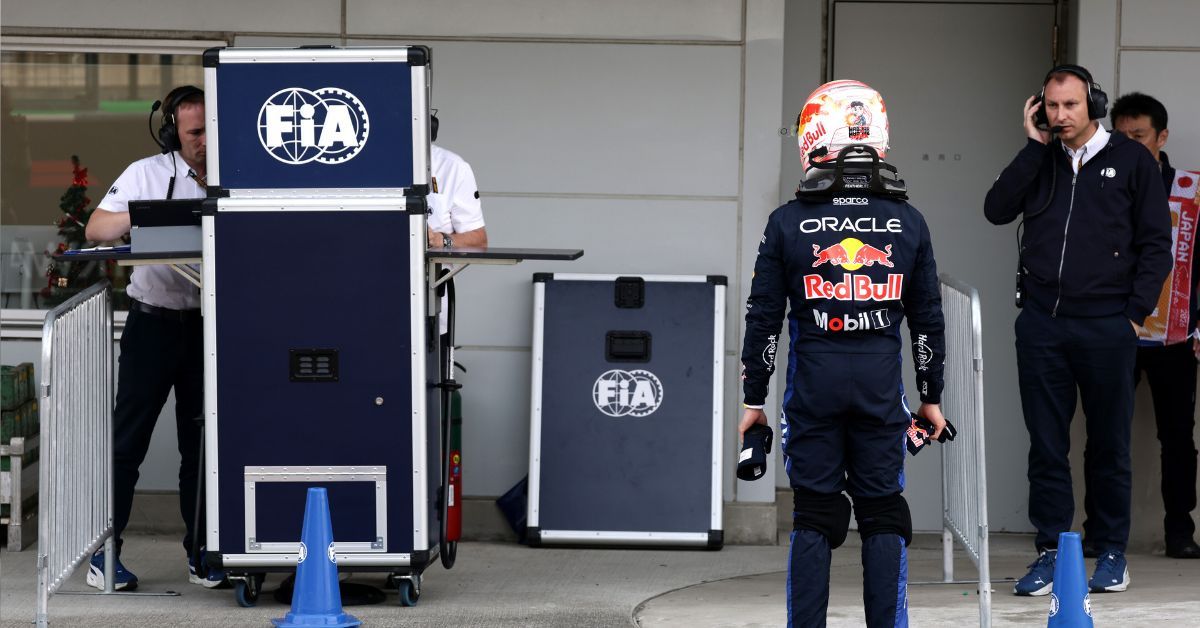
Formula 1 is a sport where precision and regulation compliance are paramount. One of the most critical post-race procedures is the mandatory weigh-in of drivers. This practice, enforced by the FIA (Fédération Internationale de l'Automobile), serves two key purposes: ensuring fairness in competition and safeguarding driver health.
Mandatory Driver weigh-in
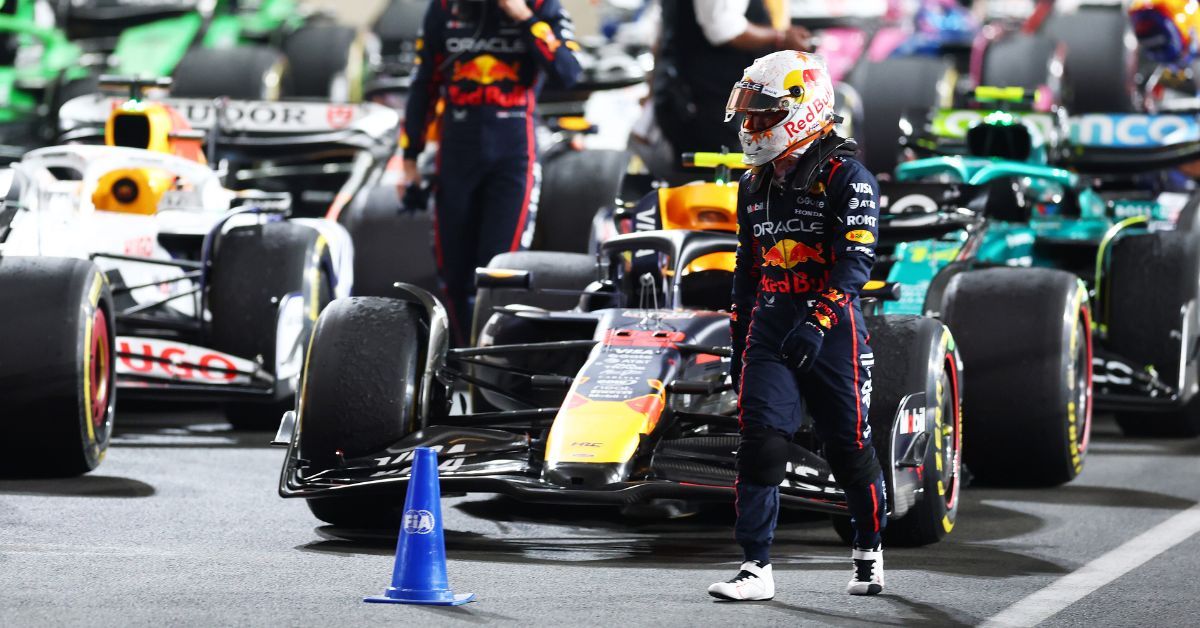
Drivers are weighed in their full race gear, including helmets, fireproof overalls, gloves, and shoes. This ensures that no team attempts to circumvent the rules by using ultra-lightweight components that could provide an illegal edge. If a driver fails to meet the weight requirement, they risk disqualification, and teams could face penalty fares.
One of the primary reasons drivers are weighed after a race is to verify that they and their cars meet the FIA's strict minimum weight requirements. The combined weight of the car and driver must not fall below a specified limit (↗︎currently 800kg in 2025). If a car is underweight, it could gain an unfair advantage in aerodynamics and performance. This is because lighter cars typically accelerate faster and handle the track conditions better.
The second major reason for post-race weigh-ins is health-related. F1 drivers endure extreme physical stress during races. They often lose significant amounts of fluid through sweat due to high cockpit temperatures, which can exceed 50°C/122°F.
The FIA uses weigh-ins to monitor drastic weight loss, which can indicate severe dehydration or other medical concerns. Drivers can lose up to 3-4kg (6.6-8.8lbs) in body weight during a Grand Prix, primarily from dehydration. If a driver loses too much weight, they may require immediate medical attention, including intravenous rehydration. This practice helps prevent long-term health risks associated with extreme physical exertion in high-temperature environments.
Why does it matter?
In Formula 1, marginal gains are everything. Teams spend millions to shave off fractions of a second per lap, and weight can be a crucial factor in performance. Even a few grams under the limit can lead to penalties. On the other hand, being slightly over can cost valuable lap time.
Drivers must carefully manage their weight. Being too heavy can force teams to add ballast in less optimal positions, affecting car balance. Conversely, as established, being too light risks disqualification. This delicate balance explains why the team meticulously calculates every component's weight and why drivers follow strict nutrition and hydration plans.
The post-race weigh-in is a crucial procedure in Formula 1 and helps to ensure both fair competition and driver well-being. By enforcing strict weight regulations, the FIA maintains a level playing field. It also protects athletes from the extreme physical demands of this sport. In a world where fractions decide victories, every gram matters.