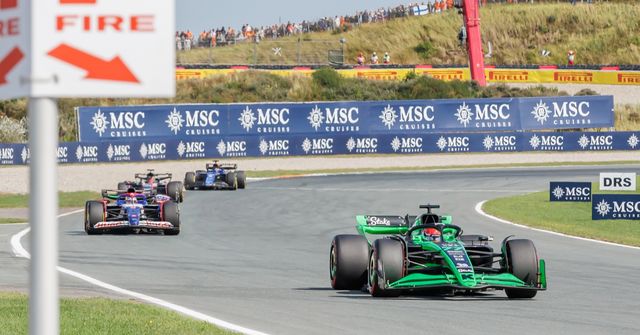
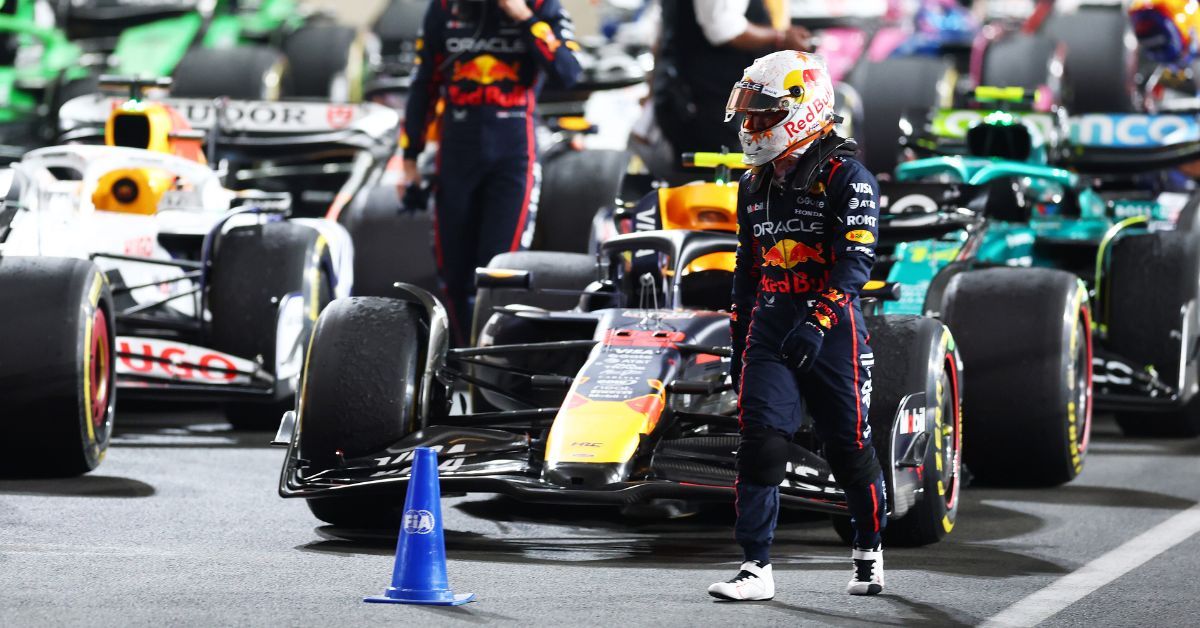
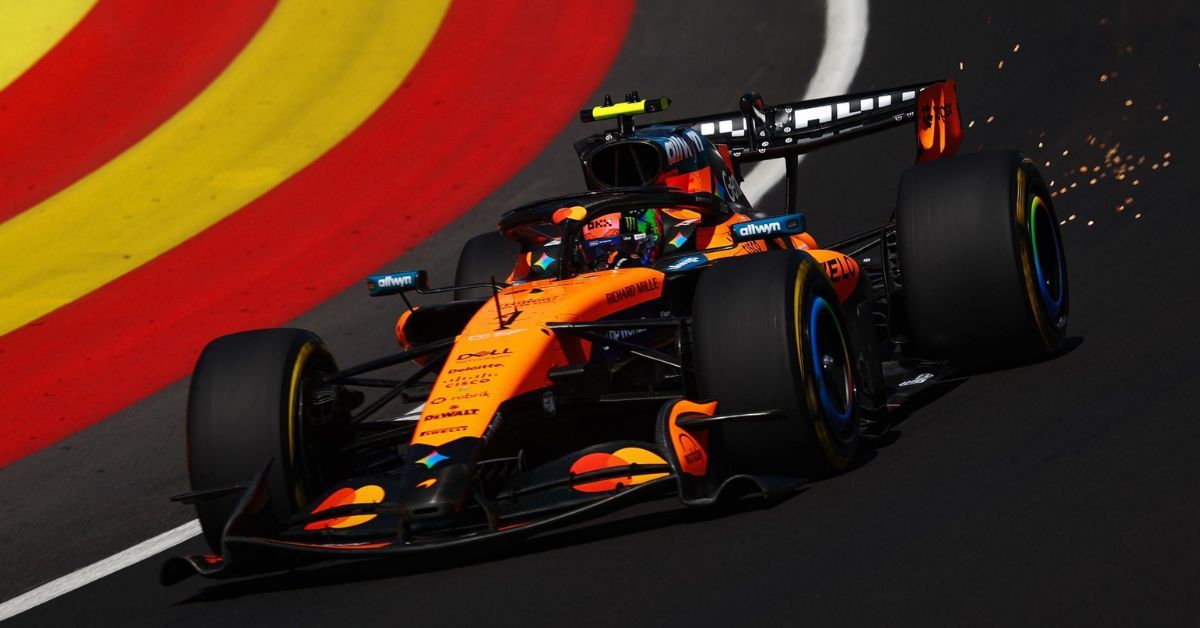
The onus is on F1 drivers to make overtakes to finish as high as possible and score as many points as they can. However, this can be difficult due to tracks being too difficult to overtake on, or cars being stuck in 'dirty air'. This is when the teams get involved.
Each team talks with their drivers pre-race to go through the best strategy for the race. However, depending on the circumstances during the race, strategists think on their feet. Sometimes, getting the strategy right is better than having the fastest car.
The different strategies which can decide an F1 race
On a normal race day, drivers must use two different compounds of dry tyres. Depending on which compounds Pirelli decide to bring, drivers will either have to stop once or twice. So teams can either try to pull the undercut or overcut strategies.
The undercut
The undercut strategy is when a driver pits to change their tyres before their rival. This means they have fresher rubber to burn through and will have quicker lap times. When their challenger pits, the driver will have tried to build up a gap for their rival to chase down.
However, there are risks with this strategy. If the pit stop is too long, then it could put the driver into traffic. This means they would use the best of the fresh rubber, having to overtake slower cars and lose the best of the new tyre.
The other risk is that this can give their rival an advantage later on in the race. With the opposing driver having stopped later and having fresher rubber in the latter stages, they will have more mechanical grip. This means they will be faster and close in.

The overcut
The overcut is when a driver stays out longer than their rivals. If a driver has kept life in their tyres, they can extend their stint and push hard. Sometimes, this will allow drivers to stay ahead or even overtake their opponents by staying out longer. It will also give them fresher rubber for later in the race.
However, the risk is that by staying out longer, the gap to the driver ahead could be too big to catch by the end of the race. Strategy is a key part of the sport and getting it right is crucial, sometimes more important than having the faster car.
Other variables in F1 that could impact strategy
A race is a long time and safety cars and virtual safety cars are common. This means teams have to think on their feet. Drivers will save valuable time by pitting behind a safety car, and could gain places. While other drivers have to adhere to a slower pace, the pit lane is still the same speed.
Pitting behind a safety car basically halves the amount of time you lose when you pit. However, not all teams will choose to box their drivers. Some will look to gain vital track position and hope their drivers can stay ahead of their rivals.

Another variable that teams must watch out for is the weather. Being on the right tyre and at the right time is key for a good race result. Pitting too early for slick tyres on a drying track, or too late for intermediate tyres on a track getting wetter, could be disastrous.
Teams will of course consider drivers' opinions, but they have all the data at their disposal. Dithering could cost them a good result, while acting swiftly could change the course of the race.