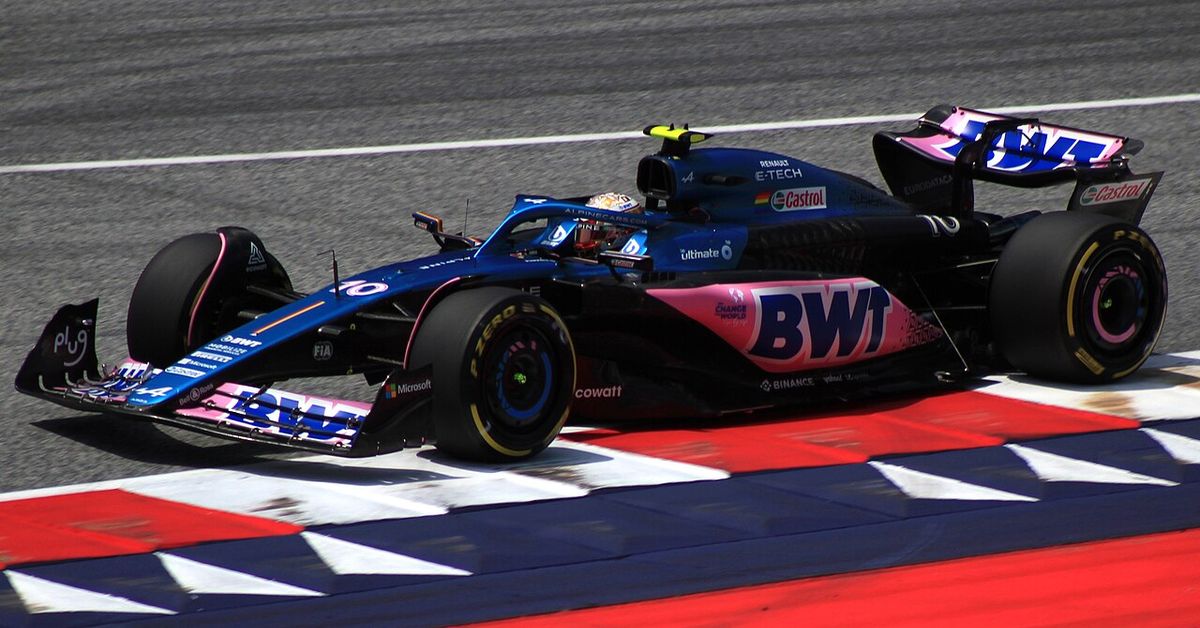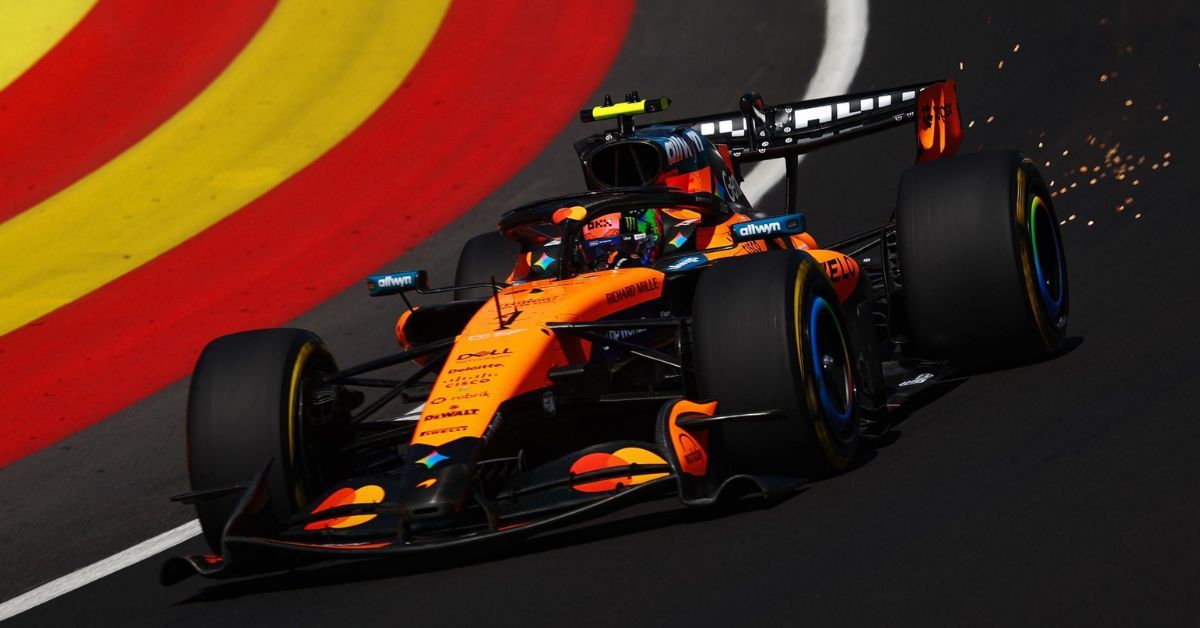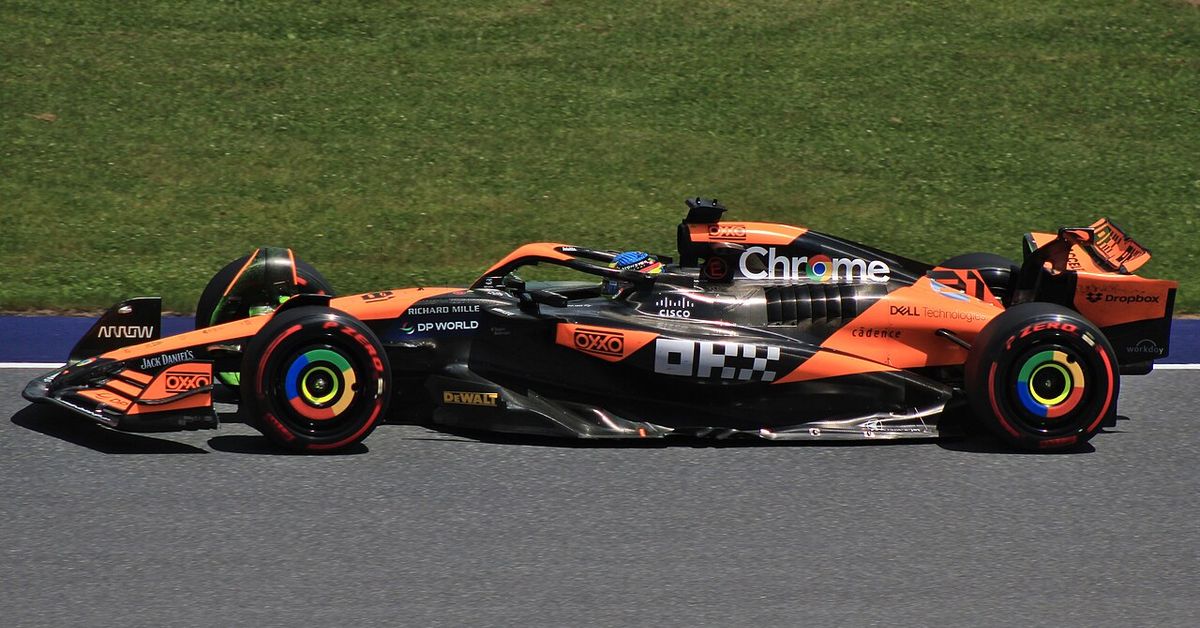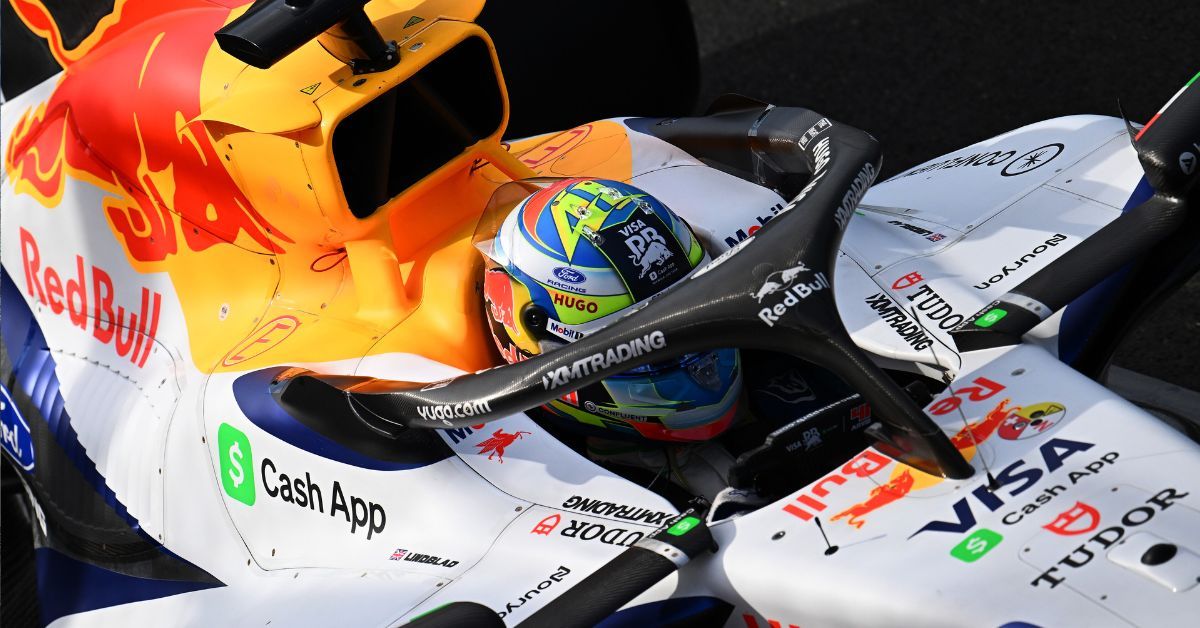
When you look at a Formula 1 car, you see something called a Halo. The Halo is made out of titanium alloy. Formula 1 uses grade 5 titanium alloy, which is an aerospace-grade material. Grade 5 titanium has↗︎ high strength, low ductility, and exhibits spring back, which makes it very durable for the Halo.
The Halo is a bar that curves around the top front of the chassis. The curbed bar is described as a 180° hoop using two pieces of metal fitted together. Using the Halo does not come without its challenges, as the metal used is hard to source and work with. It is mounted beside the driver’s head and right in front of the steering wheel.
Why was the Halo introduced?
The Halo was first thought of after a push for increased safety in 2009. Formula 2 driver Henry Surtees suffered a life-ending accident when he was hit by a loose tyre while driving. Less than two weeks later, a spring hit Felipe Massa and knocked him unconscious. These two incidents spearheaded the campaign for more safety protocols in motorsports.
The Halo was introduced to provide extra head protection and prevent unnecessary injury to drivers. However, it was not met without criticism. 7x World Champion Lewis Hamilton once said, “I really, really hope not, and if it does come in then I hope that we will be given the option of not using it because I will not be using it on my car,” when asked about the F1 cars using the Halo (↗︎Sky Sports). After his collision with Max Verstappen at the 2021 Italian Grand Prix, Hamilton changed his mind about the Halo.
During his collision with Verstappen back at Monza in 2021, the Halo protected Lewis Hamilton's head from getting crushed by Max Verstappen's rear right wheel. The weight of Verstappen’s tyre would have crushed Hamilton’s head had it not been for the Halo. With the Halo, “the chances of survival are 17 percent greater”.
Does the Halo interfere with the driver’s vision?
One of the biggest criticisms of the Halo was that it changed the open cockpit design that Formula 1 was known for. Another debate was that it changed the aesthetics of the car. Then there was the worry that it would block the driver’s vision. 4x World Champion Sebastian Vettel says it doesn’t.
While in development, there were concerns that the Halo might obstruct the drivers' field of view. During testing, there were ups and downs, but ultimately, the Halo was eventually cleared. When testing the Halo out for Ferrari, Vettel said, “You can see what you need to see,” and then said that the aesthetics do not matter when the Halo can save lives. His teammate at the time, Kimi Raikkonen, agreed.
When was the Halo introduced?
Another major push for the Halo happened after the death of Jules Bianchi. At the 2014 Japanese Grand Prix, Jules collided with a recovery vehicle and ended up with severe head injuries. He would later pass away after being in a coma for 9 months. Jules’s death changed Formula 1 as we know it, and his legacy within the sport will live on forever.
The FIA originally tried to introduce the Halo into the sport in 2016, but it was met with backlash as people thought there was not enough data. After 5 years of development and trial runs, the Halo development and testing were finally complete.
The Halo was permanently added to the F1 car in 2018. Since the addition of the Halo, it has saved many drivers’ lives, including Romain Grosjean’s after his devastating crash during the 2020 Bahrain GP, where his car broke apart into two pieces and burst into a ball of fire.