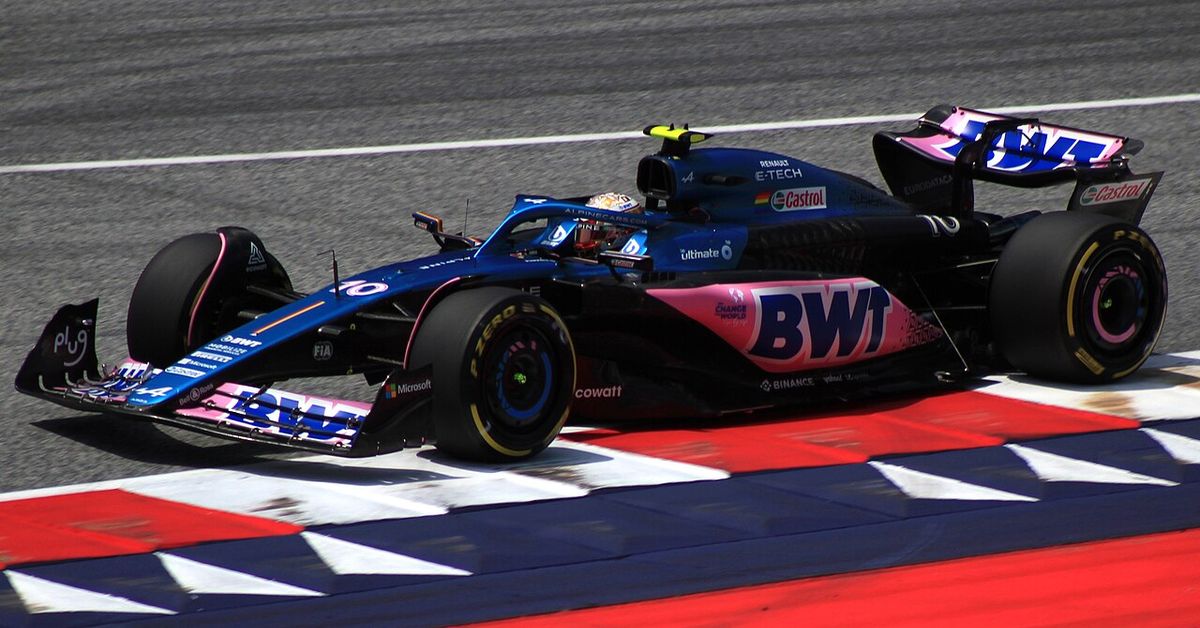
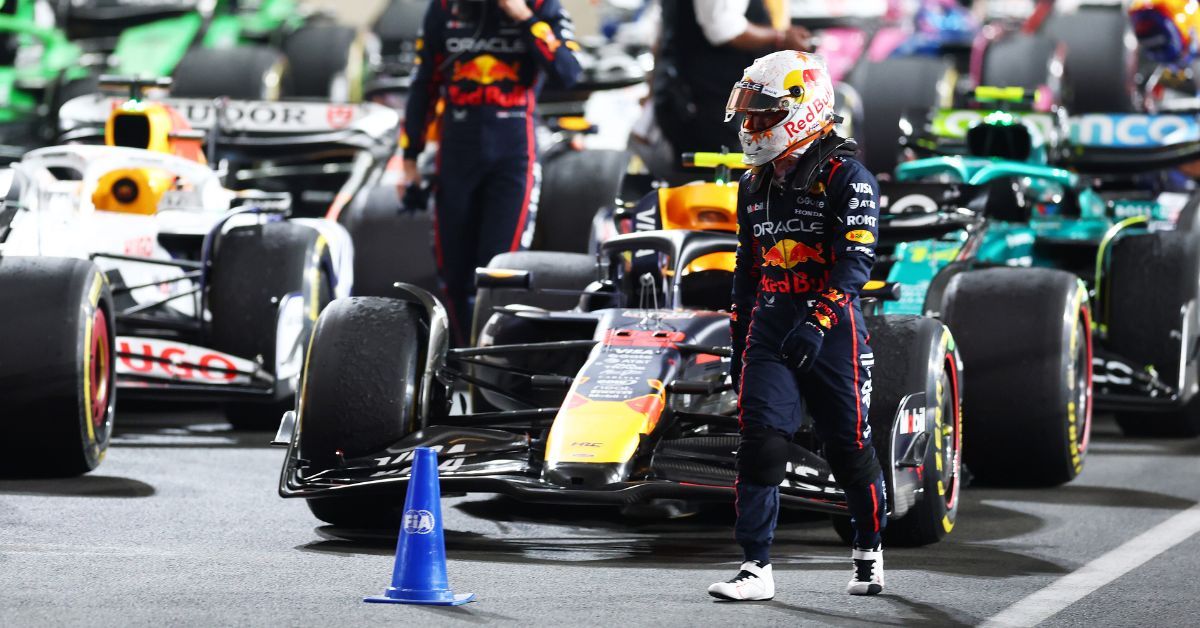
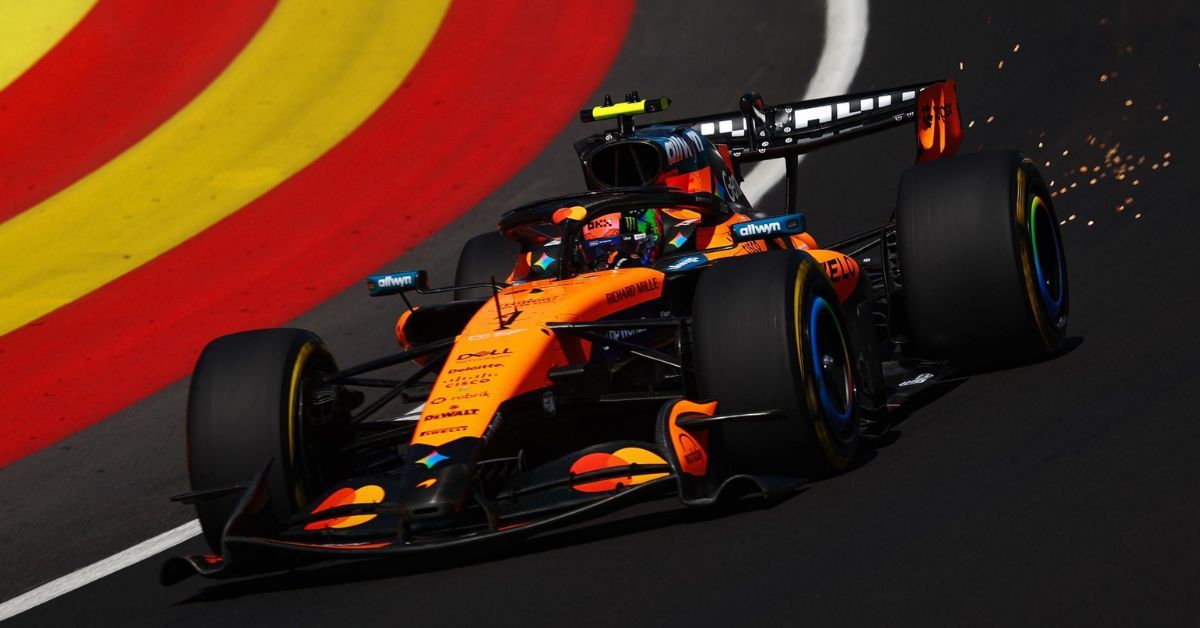
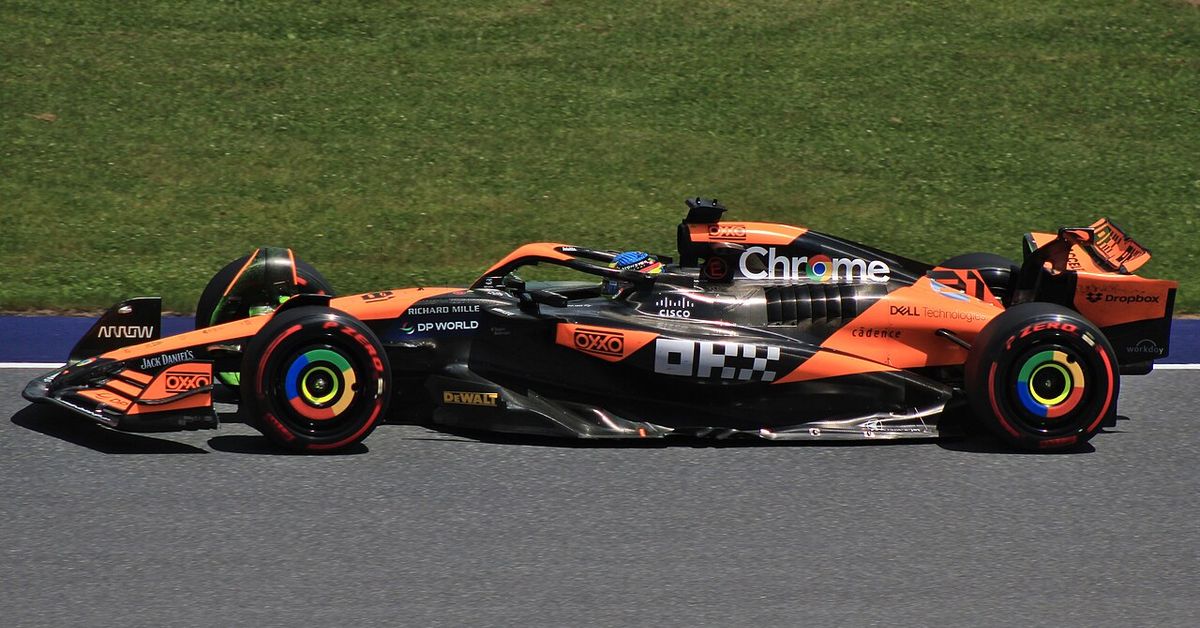
F1 is a sport which is always evolving, and the 2026 season is no different. The season brought in a new regulation cycle, which saw wholesale changes to the cars. Some changes were made to help with overtaking, which was becoming an issue throughout the 2025 season.
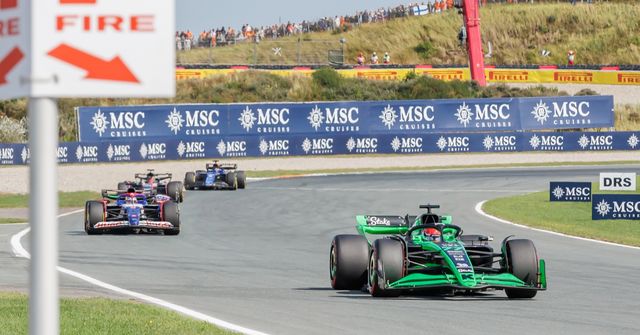
One of the major changes was that the cars became smaller and lighter. Another major change saw the removal of the overtaking aid, the drag reduction system (DRS). New overtaking aids were added to the current challengers, but what are they?
F1 waves goodbye to DRS after new regulation cycle
With DRS gone, F1 needed new and innovative ways to give drivers the tools to race each other. DRS lacked the power to create moves during, and fresh ideas were needed to help the sport continue to be a spectacle.
The tool closest to the outgoing aid is active aero. It works much like DRS; however, both the front wing and rear wing open to help reduce drag. It works by decreasing drag, helping with straight-line speed. It can be used in designated zones and, unlike its predecessor, it can be used even if a driver is more than a second behind their rival.

The tool at the driver's disposal if they are within a second of their opponent is the Overtake Mode. This mode gives the driver electrical energy for the entirety of the next lap, once they cross the detection zone and can be used anywhere during the lap.
Another aid at the driver's disposal is the boost mode. At the push of a button, drivers can get more power to help either attack or defend from their opponent. However, they need to use it strategically; otherwise, they will be vulnerable later on around the lap.
The rules of engagement in F1
Whether a driver is attacking or defending from an opponent, space must always be given, normally a car's width, to make sure there is no contact and no one is forced off track. If a driver does make a move off the track, they must hand the position back. If a defending driver leaves the track to keep a position, they must hand it back to their rival.

When attacking on the inside of a corner, a driver must have their front axle alongside their opponent's mirrors by the apex to claim racing room. However, on the outside, the attacker's front axle must be ahead of the defender's.
On a straight, a defending driver is not allowed to weave. Drivers would do this to break the slipstream effect, not allowing their rival to gain from their tow. So defenders can only have one change of direction on straights. They also are not allowed to move in the braking zones to prevent dangerous accidents.