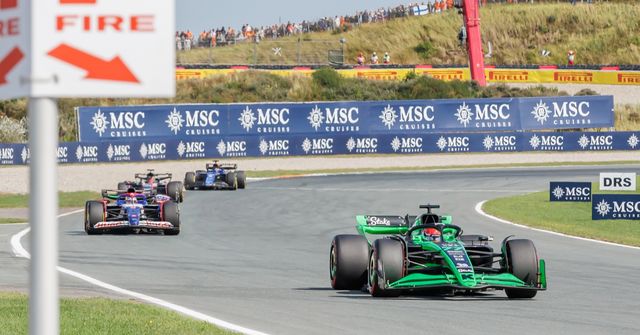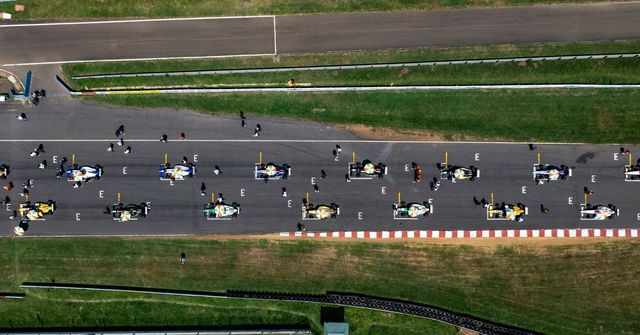
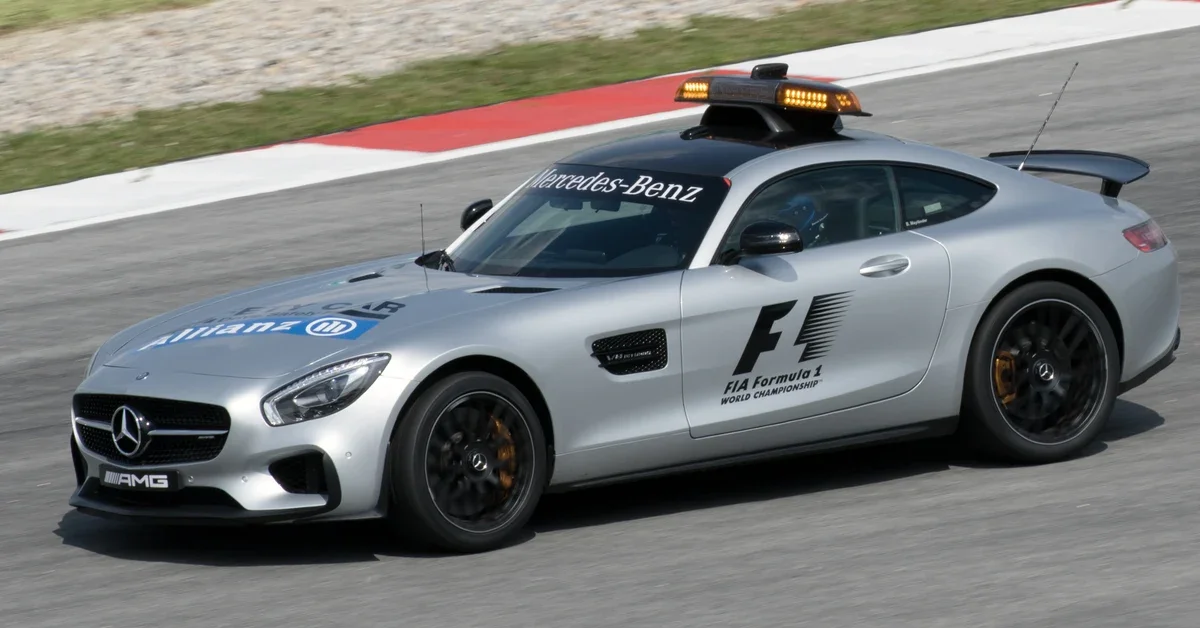
From the outside, Formula 1, Formula 2, Formula 3, and Formula 4 can look like four versions of the same sport running at four different speeds. But there's a huge difference. What separates the categories is how much downforce the car makes, how much physical conditioning it demands of the driver, how much a season costs, and who is standing in the paddock watching.
This is what actually changes on the way up the single-seater ladder, starting with the car that races in India.
Formula 4, the first real race car after a kart
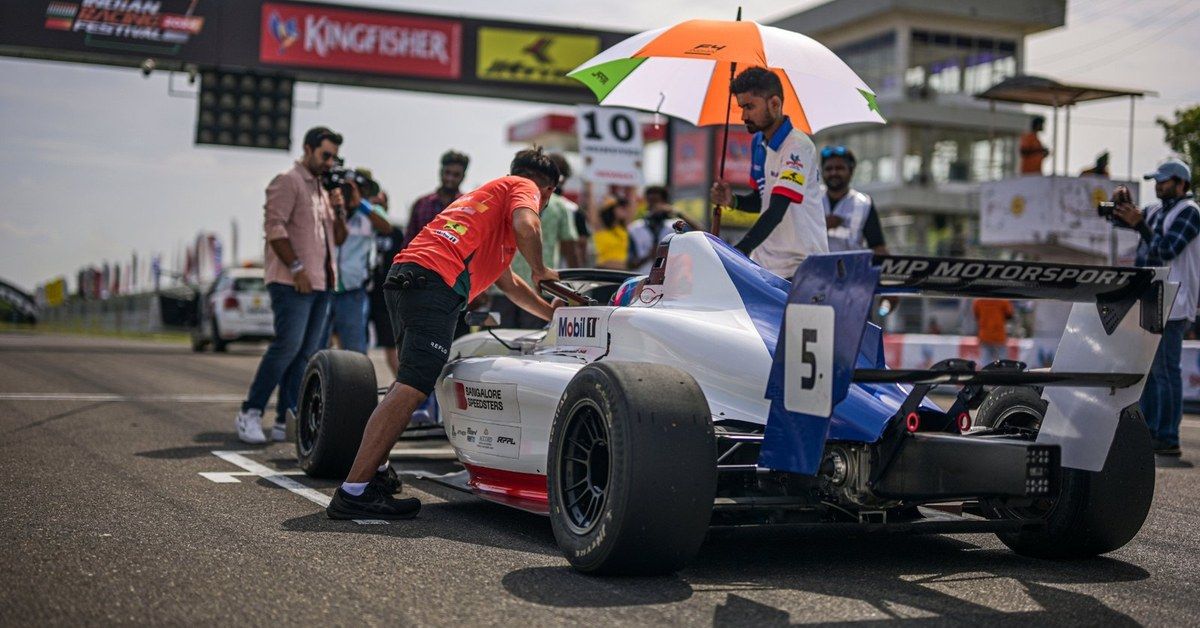
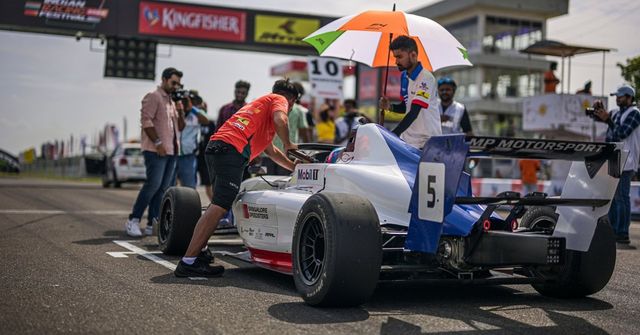
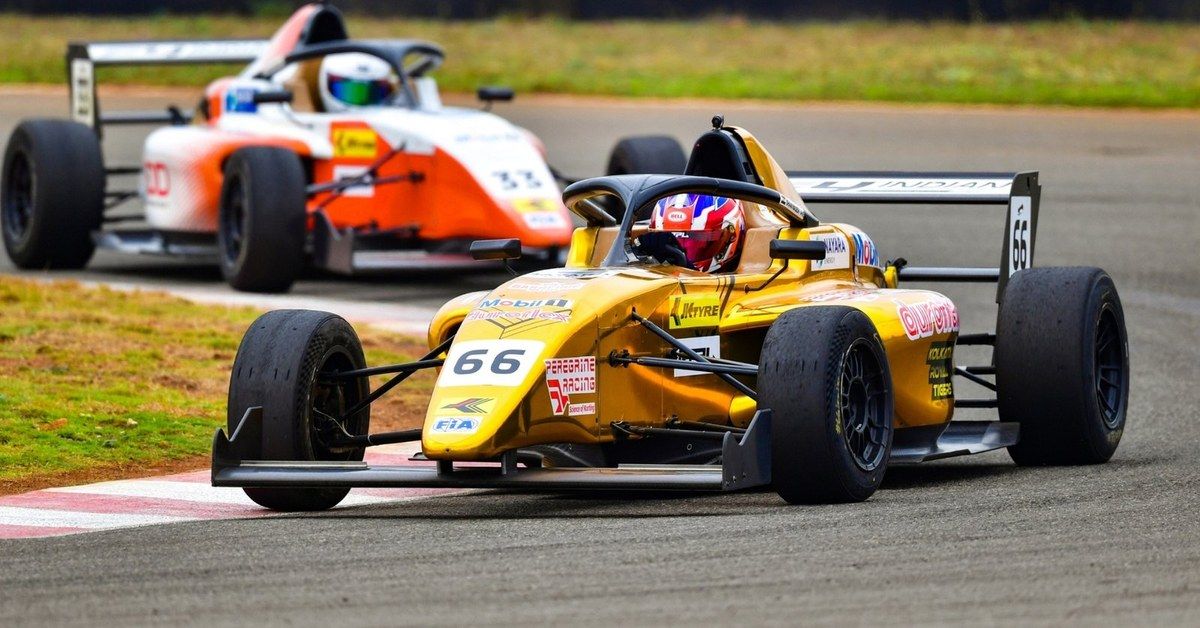
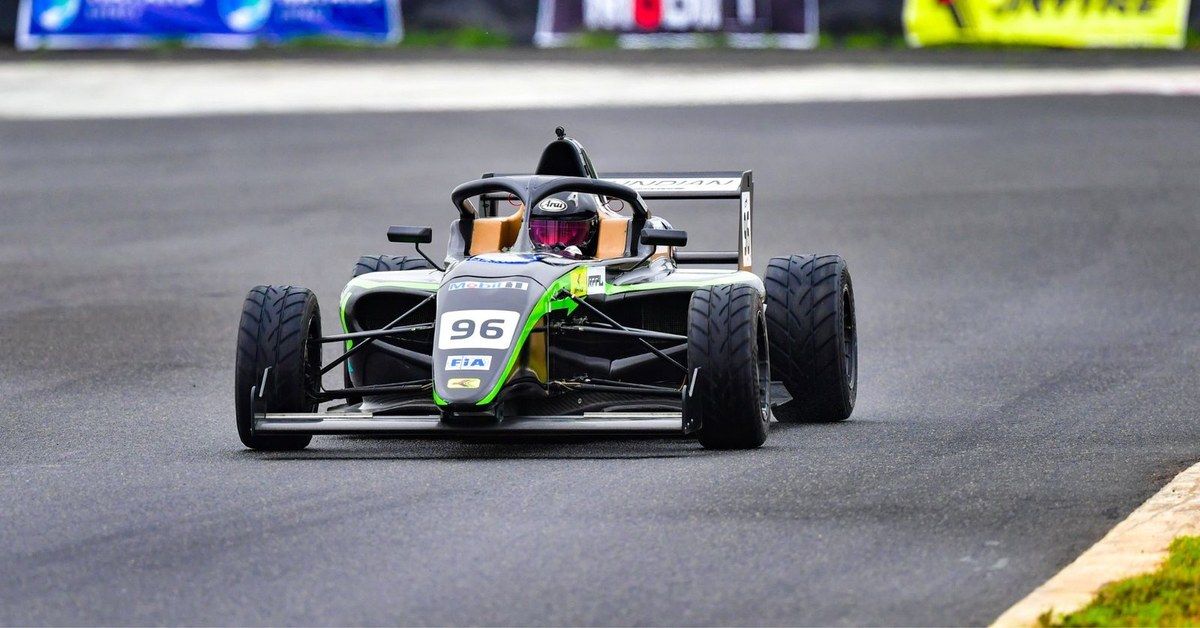
The F4 Indian Championship runs a Mygale M21-F4 chassis with an Alpine engine on JK Tyre rubber, and every car on the grid is identical. It makes somewhere between 160 and 180 horsepower, tops out between 210 and 240 km/h depending on the circuit, and produces very little aerodynamic downforce by single-seater standards.
That combination is deliberate rather than a compromise. Formula 4 is built to be the first proper race car a driver meets after karting, with a sequential gearbox, slicks, wings and a halo, but without the downforce that would demand a year of conditioning before a teenager could complete a race distance. A quick karter can climb in and be competitive fairly quickly, which is the entire design intent of the category.
The FIA caps an F4 chassis at 30,000 euros and a season at 100,000. India comes in comfortably under the ceiling, with the season figure reported at around 70,000 euros, the cheapest Formula 4 anywhere in the world. The full breakdown sits in what it costs to race in F4 in India.
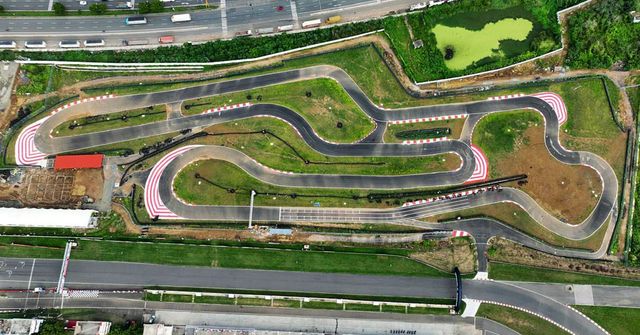
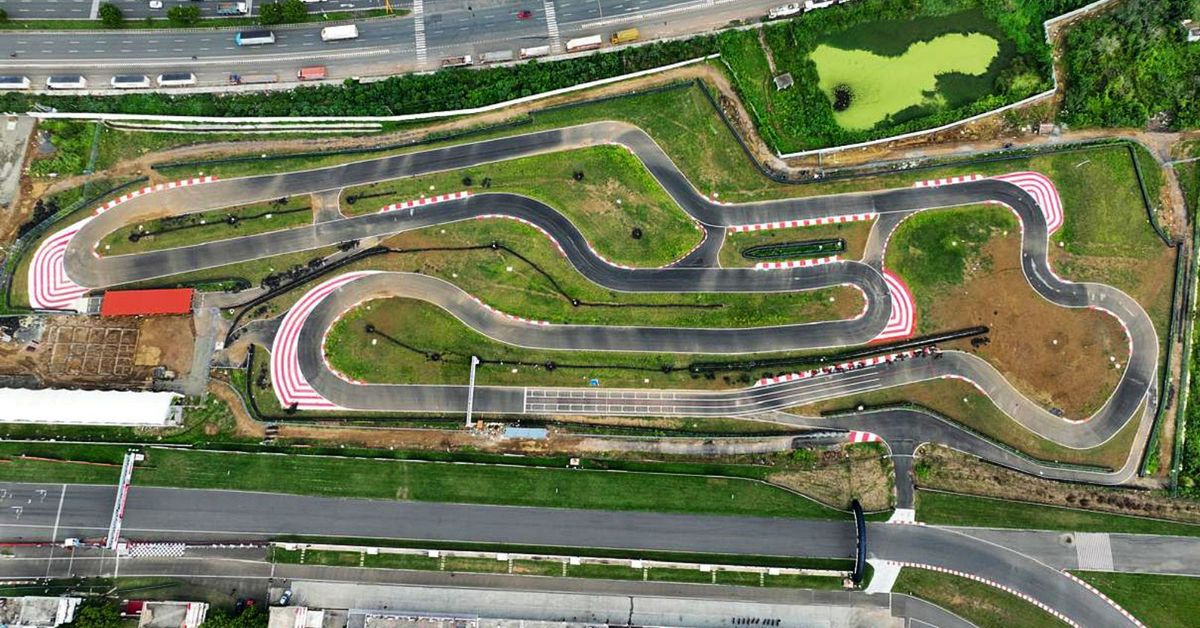
The F4 lap record at Kari Motor Speedway stands at 1:06.386, set by Ruhaan Alva in 2024, which gives the category a concrete number to be measured against later on.
Formula 3, the biggest step on the ladder
FIA Formula 3 makes around 380 horsepower and runs to roughly 300 km/h. Power close to doubles, but drivers who have made the jump tend to talk about the aerodynamics instead, and they say so consistently.
An F3 car generates serious downforce, and that changes what a corner is. High-speed turns get taken at speeds an F4 driver has no reference for, and neck and core conditioning stop being optional.
It is also the point at which international teams begin taking a driver seriously. Formula 3 races on Formula 1 support bills at Formula 1 circuits, so it is the first time a junior driver works in front of the people who make Formula 1 decisions.
Formula 2, the final exam
Formula 2 runs to around 620 horsepower and close to 335 km/h, and it makes tyre degradation a central feature of the racing rather than an afterthought.
The weekend is a miniature of Formula 1, with a sprint, a feature race, pit stops and a strategy that can be got badly wrong. Almost every driver on the current Formula 1 grid won Formula 2 or finished near the top of it, or of its direct predecessor.
It is also where the money runs out. A season costs seven figures in euros, and this is the rung at which funding rather than lap time removes most of the field. Indian careers have stalled here more than once.
Formula 1, and twenty seats
A Formula 1 car produces around 1,000 horsepower from a hybrid power unit, reaches roughly 350 km/h and corners under loads a road driver could not physically sustain.
The barrier at the top is not really the car. There are twenty seats in the world, and a driver needs forty FIA superlicence points before being eligible to sit in one of them.
Difference between F1, F2, F3, F4
| Category | Approx. power | Approx. top speed | Season cost |
|---|---|---|---|
| Formula 4 | 160 to 180 hp | 210 to 240 km/h | 70,000 to 500,000 euros depending on championship |
| Formula 3 | around 380 hp | around 300 km/h | high six figures in euros |
| Formula 2 | around 620 hp | around 335 km/h | seven figures in euros |
| Formula 1 | around 1,000 hp | around 350 km/h | not applicable, the driver gets paid |
What the ladder means for an Indian driver
One category on that list has a domestic championship, and it is Formula 4. Everything above it means leaving the country, which is the structural problem in Indian motorsport rather than a detail of it. Both what the F4 Indian champion actually wins and how to become a racing driver in India deal with what happens after the domestic ladder runs out.
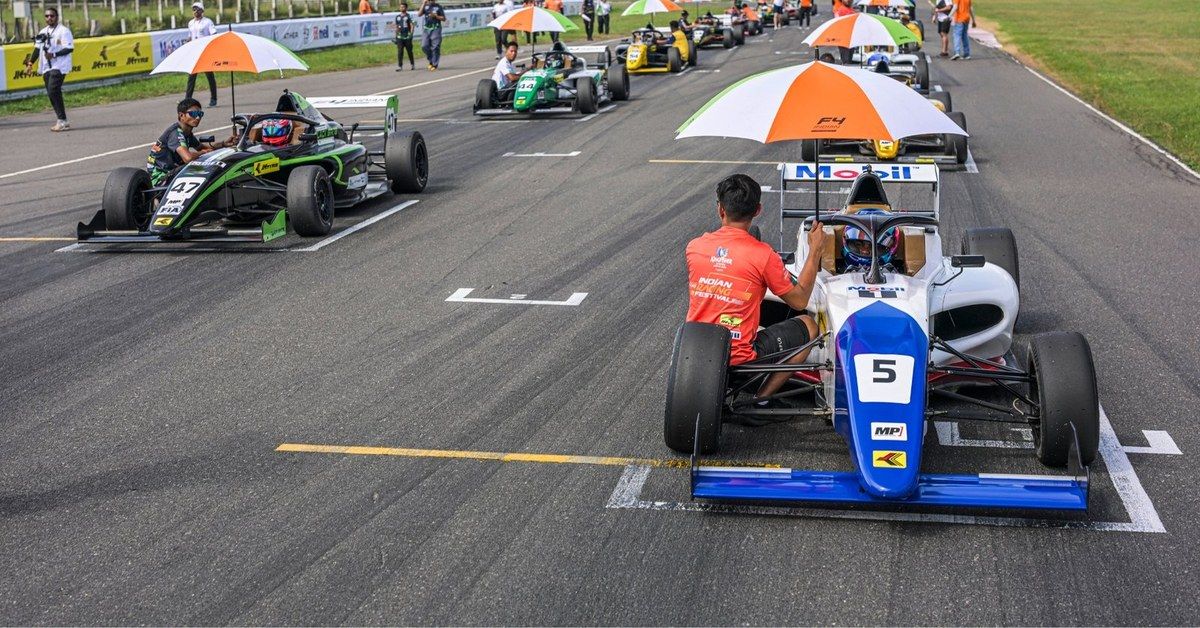
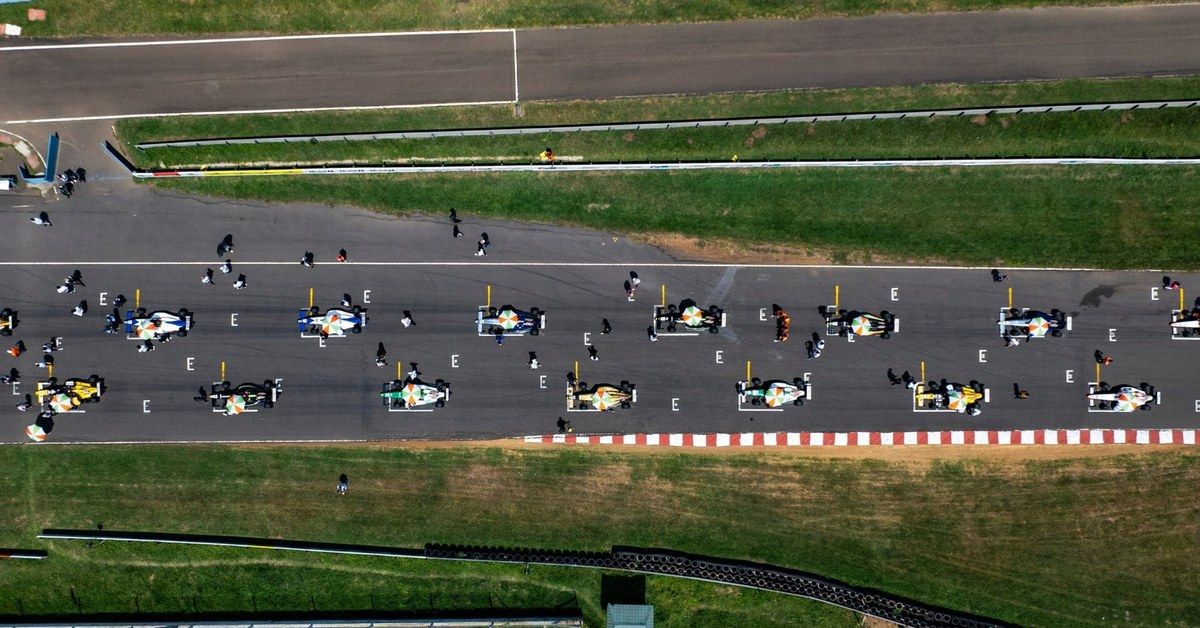
One further distinction is worth drawing at an Indian Racing Festival weekend, where two championships share the same circuit on the same day. The Indian Racing League does not run Formula 4 cars at all. It runs Wolf GB08 machinery, which is why the two grids look and sound so different.
The gap between them is measurable. The outright race lap record at Kari belongs to that category, a 1:03.296 set by Neel Jani in a Wolf-Aprilia GB08 in 2024. The Formula 4 record is roughly three seconds slower over the same 2.100 km lap, which is a more useful sense of the difference between categories than any horsepower figure.
The F4 Indian Championship itself, car included, is covered in the complete guide.