
Formula 1 has recognized over 170 (179 to be exact) distinct constructors in the World Championship Grand Prix since its inception in 1950. Only 39 of these constructors have achieved victory at some point.This means that there were 140 teams that showed up, built a car, competed, and went home without winning even once. Some of them were total amateurs who only raced for a weekend. Some others were experienced teams that led races at times but never finished first. One of them spent more cash than nearly anyone else in history and walked away empty-handed.Here’s the full story along with the warning that explains why nearly every published version of the list makes some error.
Arrows is probably the most unsuccessful team with 382 starts and no wins
No team has failed for as long as Arrows. Between the 1978 Brazilian Grand Prix and the end of 2002, the Milton Keynes team started 382 Grands Prix and won none of them. That figure includes the seasons it raced as Footwork between 1991 and 1996, which the record books file separately even though it was the same team, the same factory and largely the same people. Split the way the archives store it, that is 291 starts as Arrows and 91 as Footwork.
Nine podium finishes came out of those 382 attempts. None hurt like the tenth that got away.
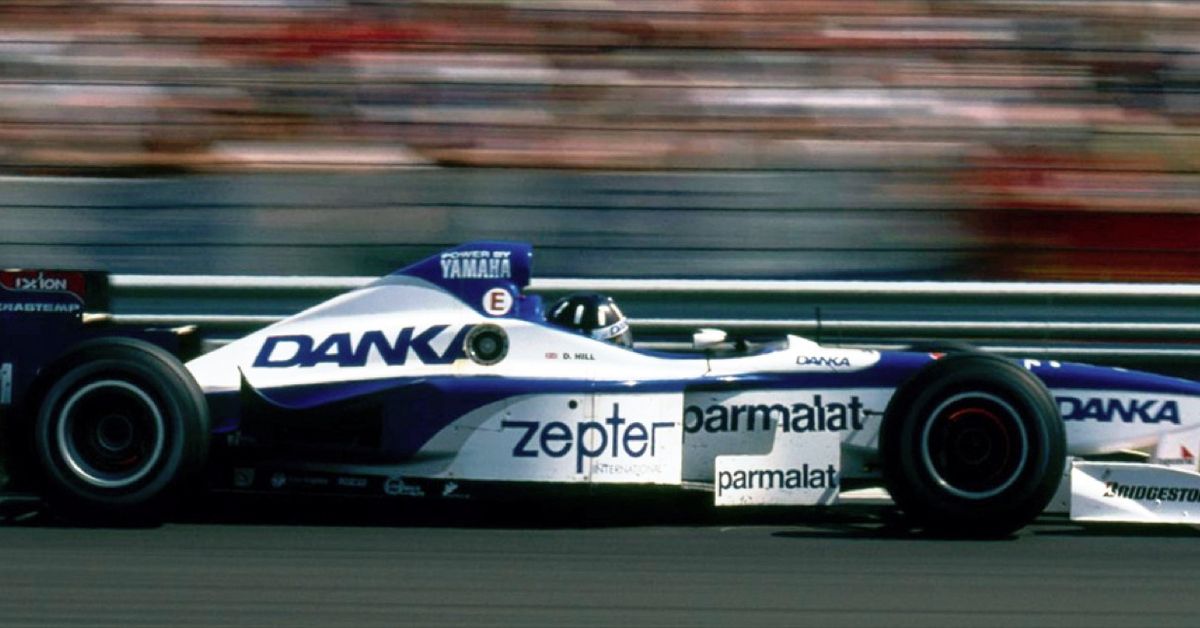
At the 1997 Hungarian Grand Prix, Damon Hill put an Arrows A18 on the second row and then drove away from the field. The reigning world champion, in a car nobody rated, led the race with a lap to go. Then the hydraulics began to fail, the car slowed on the run to the line, and Jacques Villeneuve came past in the Williams. Hill finished second, a few seconds short of the most improbable victory in modern Formula 1.
Arrows never came that close again. The team folded midway through 2002 owing money to almost everyone. Arrows' hitsory gets even more interesting to read about when you learn about Jos Verstappen's abrupt firing just before their last season in Formula 1. There are more scandals, ranging from a 1978 High Court ban for stealing intellectual property from the Shadow F1 team to a fraudulent 1999 sponsorship deal with a fake Nigerian prince.
Toyota wasted millions and millions for nothing
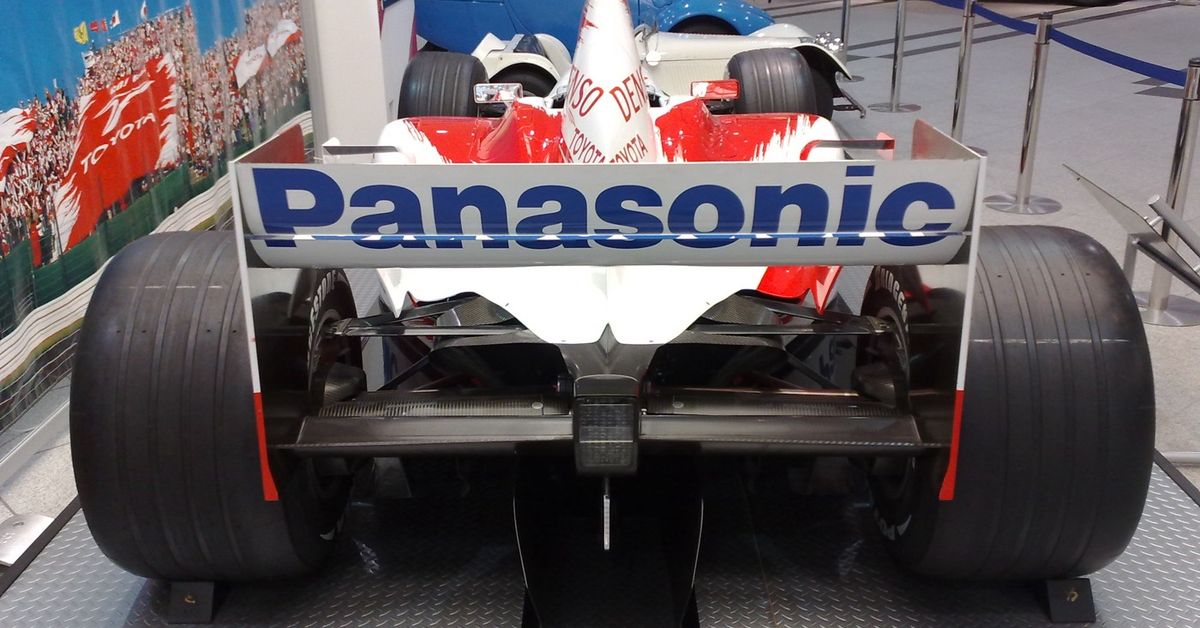
If Arrows failed slowly, Toyota failed expensively. The Japanese manufacturer entered Formula 1 in 2002 with a budget that was routinely reported as the largest on the grid, a purpose built factory at Cologne and no obligation to answer to a title sponsor. It left after the 2009 season having started 140 Grands Prix and won none of them.
This was not a slow car. Toyota took three pole positions, at the 2005 United States and Japanese Grands Prix and again at Bahrain in 2009. It scored 13 podiums and 278.5 points. Five times it finished second: twice with Jarno Trulli in 2005, then Timo Glock in Hungary in 2008, Glock again at Singapore in 2009, and Trulli at Suzuka in Toyota's final season.
25 constructors who stood on the podium but never at the top
Twenty five constructors have stood on a Formula 1 podium without ever standing on the top step. These are the ones that got closest.
| Team | Grands Prix | Podiums | Poles | Years |
|---|---|---|---|---|
| British American Racing | 118 | 15 | 2 | 1999-2005 |
| Toyota | 140 | 13 | 3 | 2002-2009 |
| Sauber | 443 | 11 | 0 | 1993-2025 |
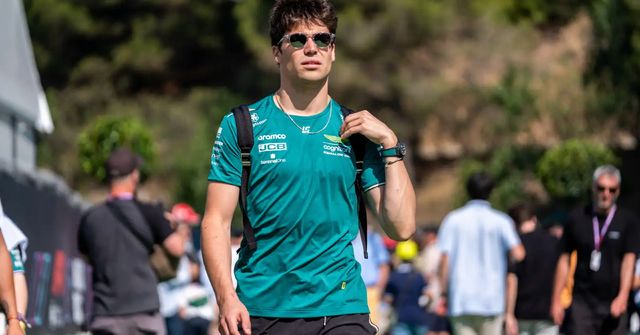
| Aston Martin | 131 | 9 | 0 | 1959-1960, 2021- |
| Arrows | 291 | 8 | 0 | 1978-2002 |
| Force India | 212 | 6 | 1 | 2008-2018 |
| Prost | 83 | 3 | 0 | 1997-2001 |
| Toleman | 57 | 3 | 1 | 1981-1985 |
| Fittipaldi | 103 | 3 | 0 | 1975-1982 |
| Surtees | 117 | 2 | 0 | 1970-1978 |
| Jaguar Racing | 85 | 2 | 0 | 2000-2004 |
| Lola | 86 | 2 | 1 | 1962-1997 |
| Dallara | 78 | 2 | 0 | 1988-1992 |
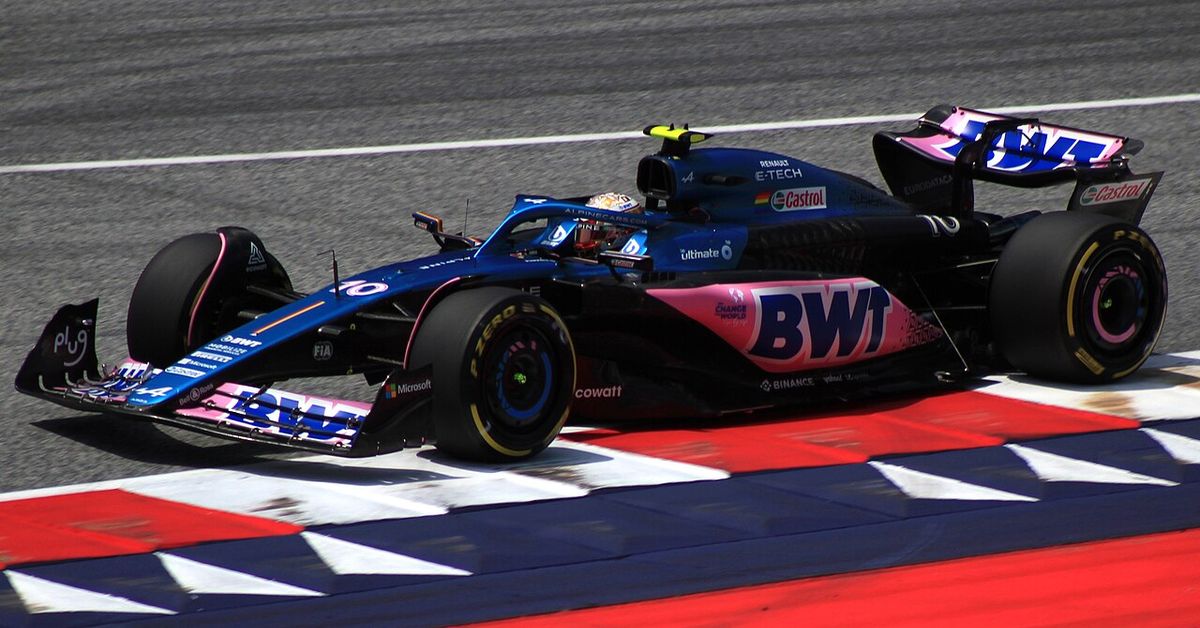
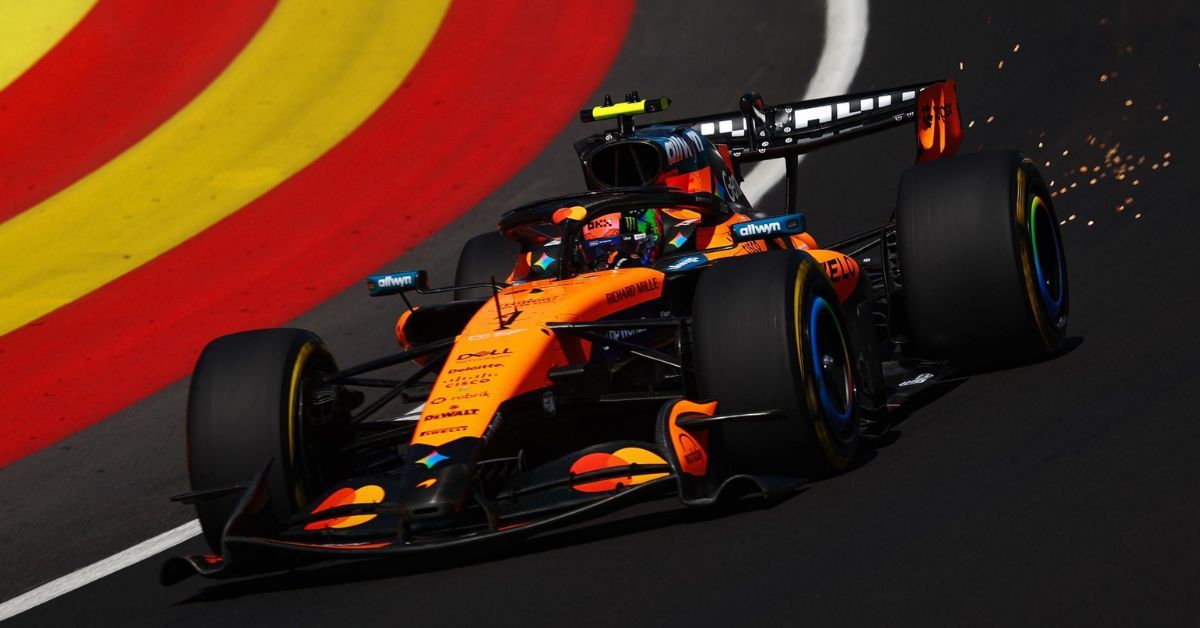
You would think Aston Martin would have won a Formula 1 race. But that's not the case. Jaguar Racing, Toyota, and Sauber are some other popular constructors you would be surprised to know have never seen the top spot on the podium.
Minardi: 341 starts and never a podium at all
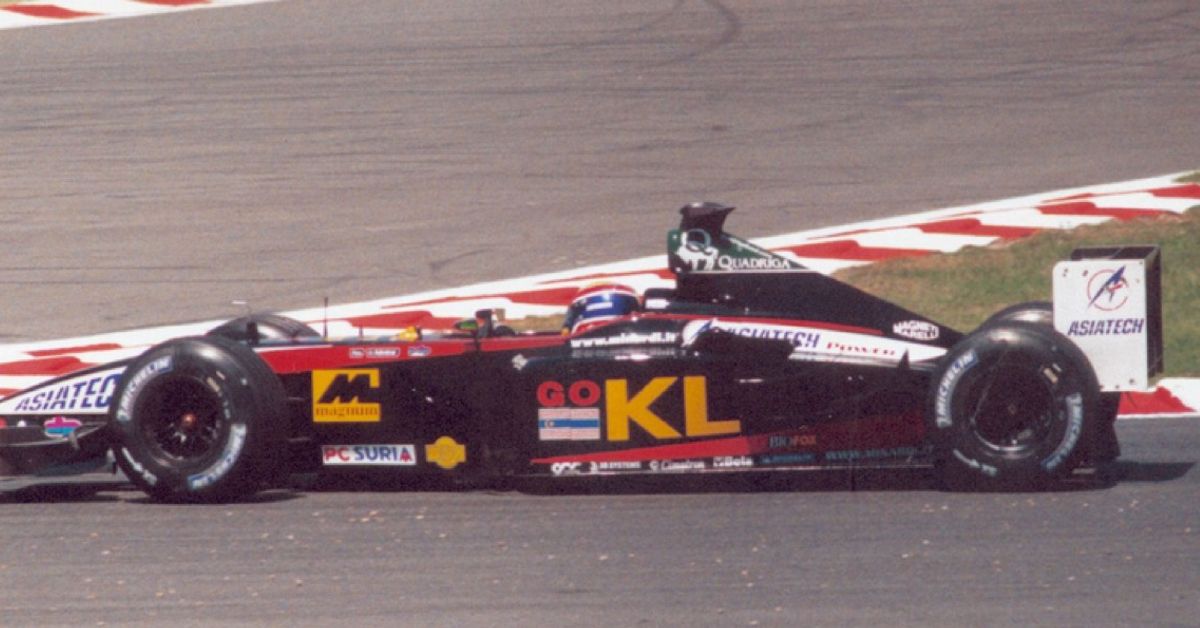
Reaching the podium at least gave those teams something. Minardi managed 341 Grands Prix across 21 seasons and never finished in the top three even once. Thirty eight championship points in total. For comparison, a single modern race win is worth 25.
And yet Minardi is remembered with more warmth than teams that beat it every weekend. It was the paddock's proving ground.
Most of your favourite drivers started from here. Fernando Alonso, Mark Webber, Jarno Trulli and Giancarlo Fisichella all started there. Webber's fifth place on debut at Melbourne in 2002 produced the famous scenes of Paul Stoddart's team celebrating a point as though they had won the championship.
The team was sold to Red Bull at the end of 2005 and became Toro Rosso. Three years later, with essentially the same Faenza factory behind it, it won at Monza.
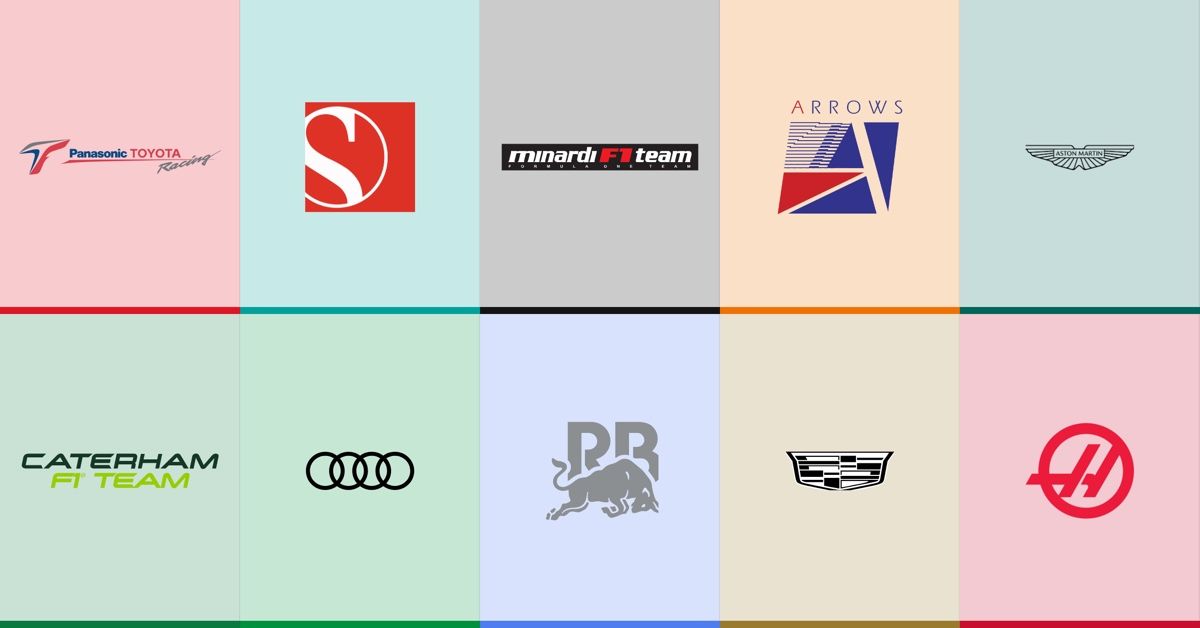
Five of the eleven teams on the 2026 grid have never won
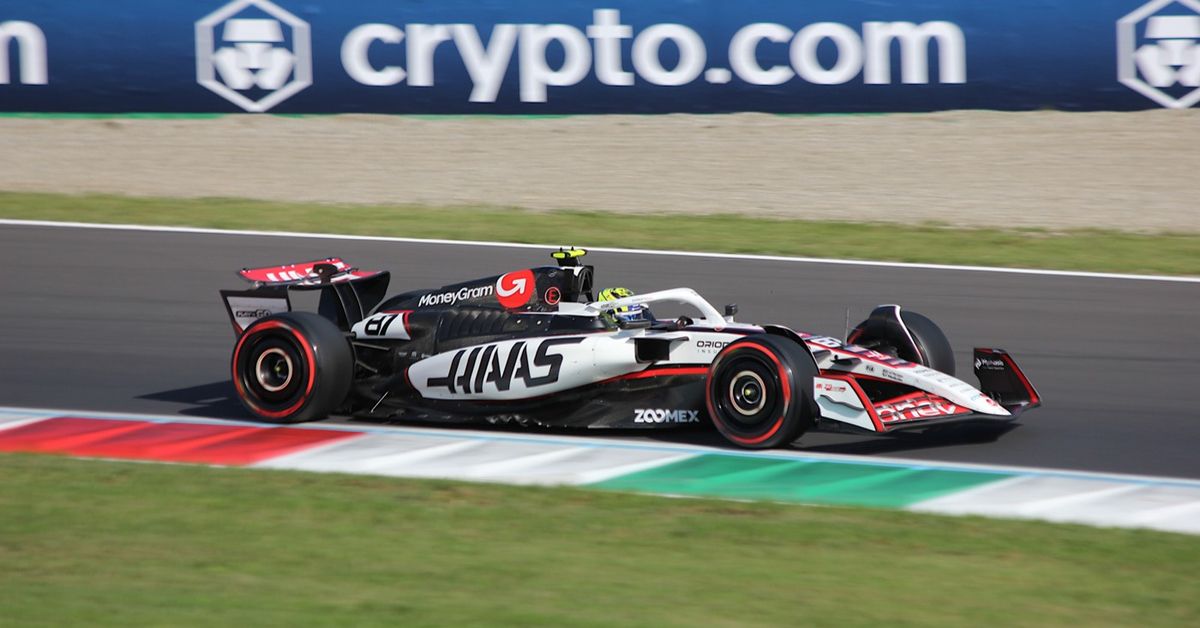
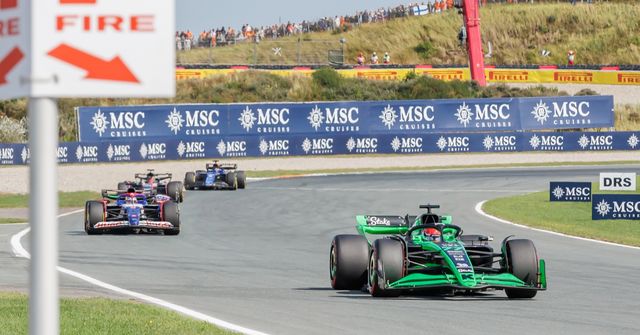
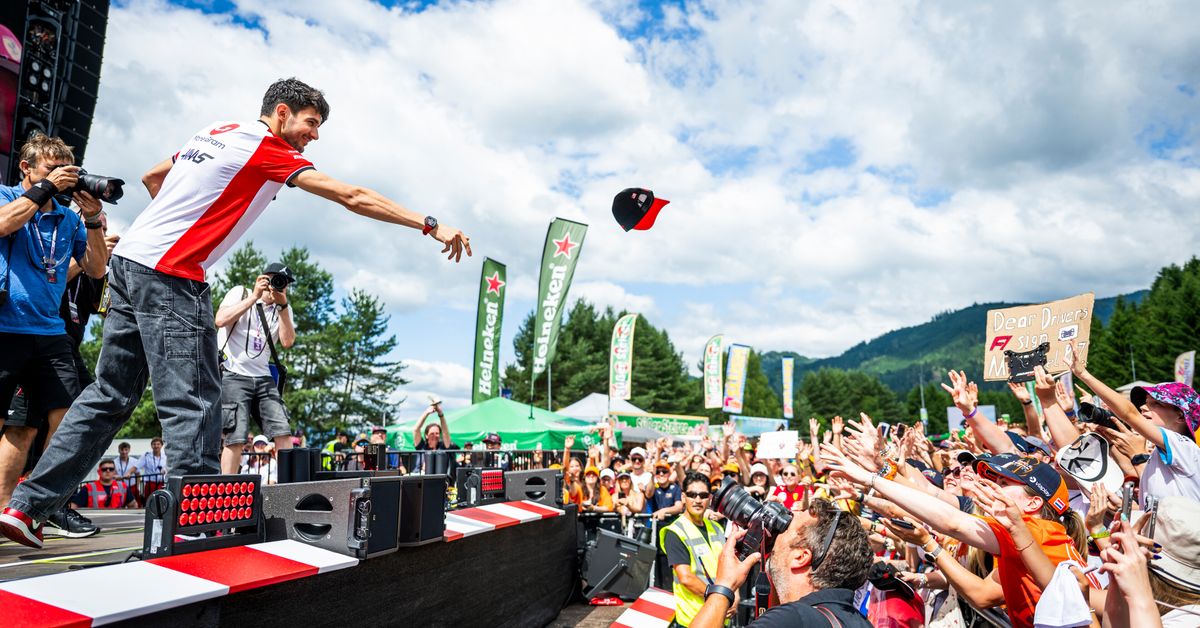
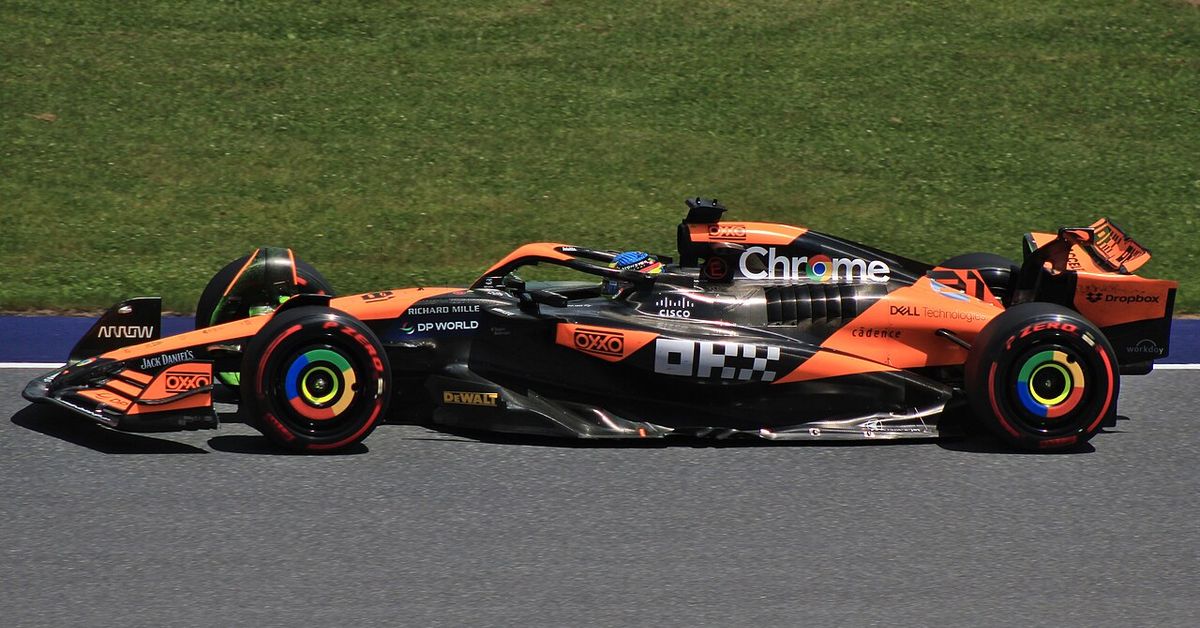
This is not just history. Almost half the current grid is on the list. Haas has now started 225 Grands Prix since 2016 without a win, and unlike every other team in this article it has never even reached the podium.
Aston Martin has nine podiums from 125 starts under that name since 2021, most of them in Fernando Alonso's remarkable 2023, but no victory. Racing Bulls has 59 starts since the 2024 rebrand. Audi and Cadillac have 11 apiece, both having arrived this season.
Only six of the eleven teams racing in 2026 have ever won a Grand Prix under their current name.
The full list: winless constructors with the most starts
| Team | Grands Prix | Podiums | Years |
|---|---|---|---|
| Sauber | 443 | 11 | 1993-2025 |
| Minardi | 341 | 0 | 1985-2005 |
| Arrows | 291 | 8 | 1978-2002 |
| Haas | 225 | 0 | 2016- |
| Force India | 212 | 6 | 2008-2018 |
| Toyota | 140 | 13 | 2002-2009 |
| Osella | 135 | 0 | 1980-1990 |
| Aston Martin | 131 | 9 | 1959-1960, 2021- |
| British American Racing | 118 | 15 | 1999-2005 |
| Surtees | 117 | 2 | 1970-1978 |
| Larrousse | 113 | 1 | 1987-1994 |
| Fittipaldi | 103 | 3 | 1975-1982 |
| ATS | 102 | 0 | 1963, 1977-1984 |
| Ensign | 101 | 0 | 1973-1982 |
| Footwork | 91 | 1 | 1991-1996 |
| Lola | 86 | 2 | 1962-1997 |
| Jaguar Racing | 85 | 2 | 2000-2004 |
| Prost | 83 | 3 | 1997-2001 |
| Dallara | 78 | 2 | 1988-1992 |
| Racing Bulls | 59 | 1 | 2024- |
| Toleman | 57 | 3 | 1981-1985 |
| HRT | 56 | 0 | 2010-2012 |
| Caterham | 56 | 0 | 2012-2014 |
| Marussia | 55 | 0 | 2012-2015 |
| Zakspeed | 54 | 0 | 1985-1989 |
| AGS | 48 | 0 | 1986-1991 |
Why this list is messier than it looks
Most articles on this subject quietly get one of two things wrong, so let me break it down to you. Hopefully, this clears a lot of things.
The biggest factor is lineage. Formula 1 teams undergo constant name changes, and it is their names that are recorded in the official history, rather than the actual factories. Toleman team never won any competition, but became Benetton, which achieved 27 victories. The same story is with Jaguar, a company that fails to gain any success, although the same factory in Milton Keynes has been renamed to Red Bull Racing. British American Racing has not had a single success, while it also got changed to Honda and Brawn with the latter winning the championship in 2009, with the same staff members involved. Sauber has not specified any victories at all being one of the teams to take part in 443 races and continue its operations, however, BMW Sauber has got its victory at the 2008 Canadian Grand Prix with Robert Kubica. Racing Bulls have not earned any victories, however, the previous names of this team, Toro Rosso and AlphaTauri, have managed to be champions in different situations.
The second is the Indianapolis 500. Between 1950 and 1960 the Indy 500 counted towards the Formula 1 World Championship, even though it was contested almost entirely by American oval specialists who never raced anywhere else on the calendar. That is why obscure chassis builders such as Deidt, Lesovsky and Phillips appear in the archives as Formula 1 constructors with podium finishes. They are technically correct and practically meaningless, and any honest version of this list should say so.
Strip out the Indy entries and the one race wonders, and the picture that remains is the interesting one. Winning a Grand Prix is rare enough that the majority of everyone who has ever tried has failed completely. I mean, as already stated, 5 of the current 11 teams have never tasted victory.