
It reads like a scoring error, but it is not one. Winning the most races and winning the championship have always been two different achievements, and every so often a season prises them apart and hands each to a different man. It has now happened ten times in Formula 1 history, and Max Verstappen is the latest to join the list of drivers to have won more races in a season than the Champion.
2025 F1 World Drivers' Championship was the first time in almost a decade. The one before that was in 2019 when Nico Rosberg won the title despite 9 race wins to Lewis Hamilton's 10.
It has happened ten times since 1950
Across the seventy-six championship seasons since 1950, ten titles have gone to a driver who won fewer races than the man classified second behind him. The names run from the sport's earliest stars to its current grid, and the pattern is spread remarkably evenly across the decades.
| Season | Champion | Champion Wins | Runner Up | Runner Up Wins |
|---|---|---|---|---|
| 1958 | Mike Hawthorn | 1 | Stirling Moss | 4 |
| 1982 | Keke Rosberg | 1 | Didier Pironi | 2 |
| 1983 | Nelson Piquet | 3 | Alain Prost | 4 |
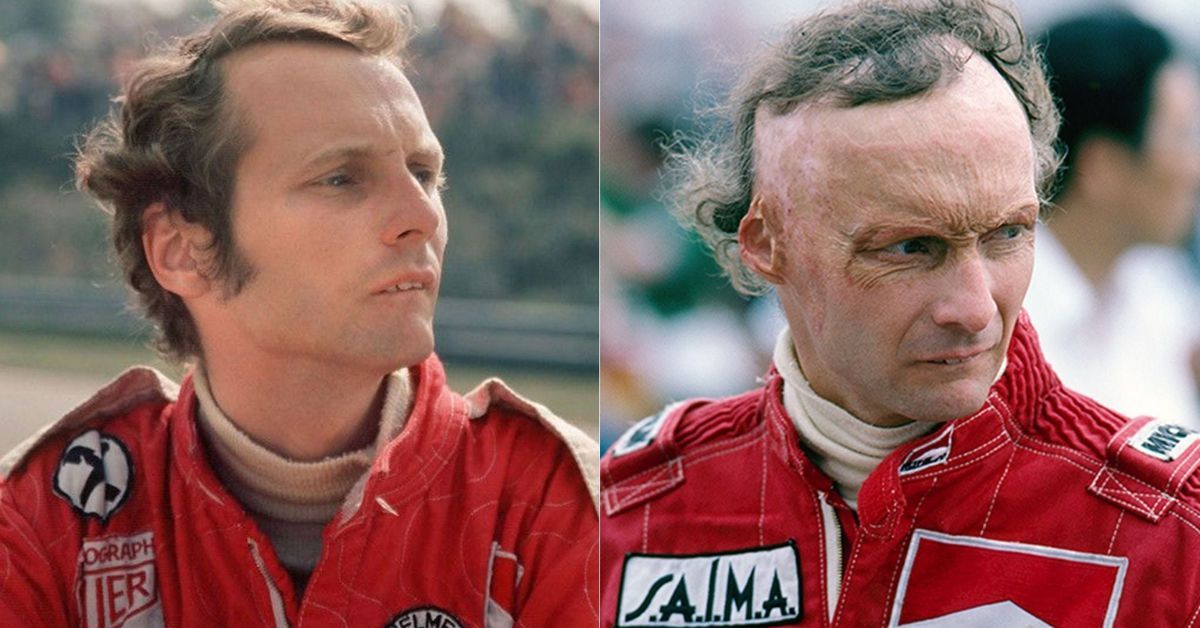
| 1984 | Niki Lauda | 5 | Alain Prost | 7 |
| 1986 | Alain Prost | 4 | Nigel Mansell | 5 |
| 1987 | Nelson Piquet | 3 | Nigel Mansell | 6 |
| 1989 | Alain Prost | 4 | Ayrton Senna | 6 |
| 2008 | Lewis Hamilton | 5 | Felipe Massa | 6 |
| 2016 | Nico Rosberg | 9 | Lewis Hamilton | 10 |
| 2025 | Lando Norris | 7 | Max Verstappen | 8 |
Why more wins does not guarantee the title
Formula 1 has never handed out the championship for victories alone. Points reward the entire finishing order, so a driver who is regularly second or third can out-score a rival who trades wins for retirements. For much of the sport's history the arithmetic was even less forgiving: only a driver's best results counted toward the title, meaning a run of weak finishes could be quietly dropped, and a single mechanical failure often decided everything. Consistency, not raw pace, has always been the true currency of a championship.
The very first case is still one of the starkest. Stirling Moss won four races in 1958 to Mike Hawthorn's one, yet Hawthorn took the title by a single point, 42 to 41. He finished second almost everywhere Moss finished first, and that stack of runner-up results outweighed four victories.
In one of the sport's great acts of sportsmanship, Moss even spoke up for Hawthorn at a stewards' hearing in Portugal and saved his rival from disqualification. Those were the exact points that beat him.
The 1980s belonged to the beaten winner
The decade produced five of these seasons, more than any other. In 1982 Keke Rosberg won just one race all year and still became champion, edging the late Didier Pironi, whose two wins came before a career-ending crash at Hockenheim left him watching the title slip away.
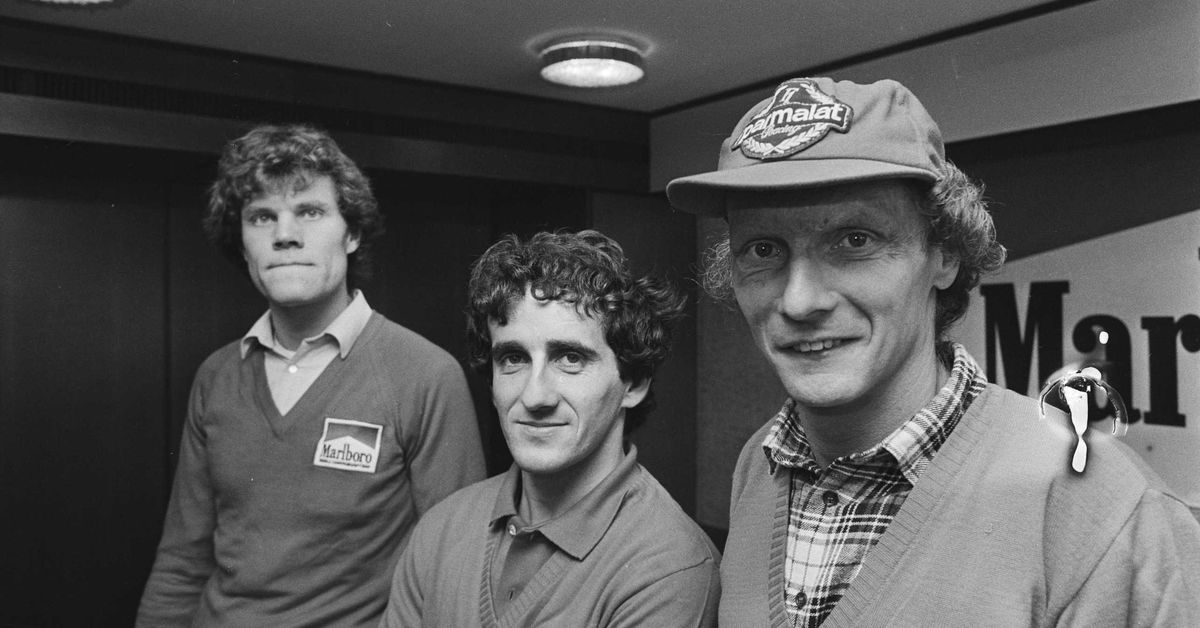
Two years later came the closest title in history. In 1984 Niki Lauda beat his McLaren teammate Alain Prost to the championship by half a point, despite Prost winning seven races to Lauda's five. Prost had already been on the wrong side of the maths the year before: in 1983 his four wins for Renault lost out to Nelson Piquet's three, as a late-season collapse handed Piquet the crown.
Then the wins started flowing the other way. In 1986 Prost took the title with four victories while Nigel Mansell won five, a season decided when Mansell's rear tyre exploded in the Adelaide finale with the championship in his hands.
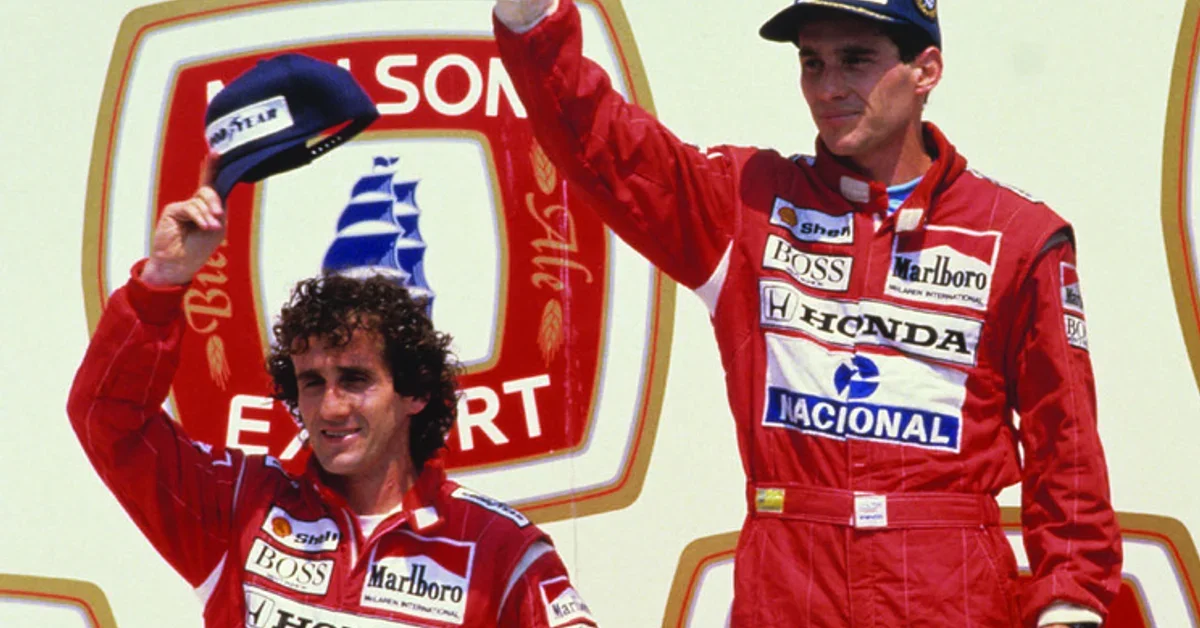
In 1987, Mansell experienced similar fate, losing to Piquet's steadier scoring after his own year ended in a practice crash at Suzuka. And in 1989 Prost claimed his third title of the decade with four wins to Ayrton Senna's six, the two McLaren teammates settling it with their infamous collision at the Suzuka chicane.
Lewis Hamilton and the dramatic 2008 victory
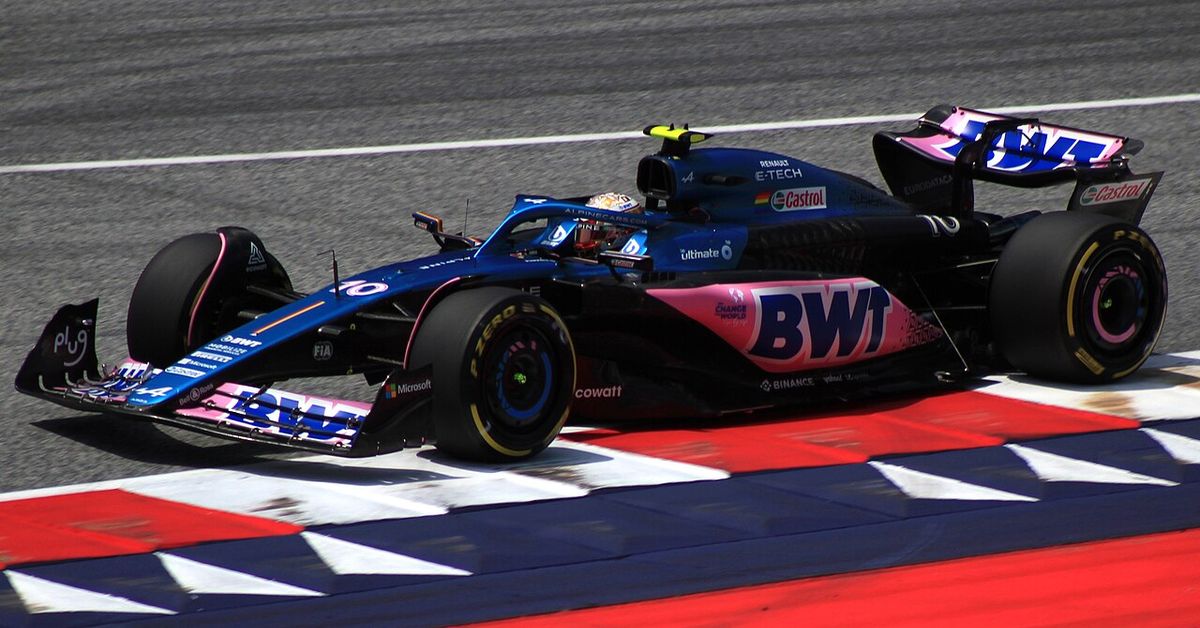
The modern era's most dramatic example arrived in 2008. Felipe Massa won six races to Lewis Hamilton's five and won his home Brazilian Grand Prix to close the season. For half a minute the Ferrari garage believed it had won the championship. Then, on a wet track on the last lap, Hamilton passed Timo Glock at the final corner to grab the fifth place he needed and the title by a single point. Massa had won more races, won the finale, and still lost.
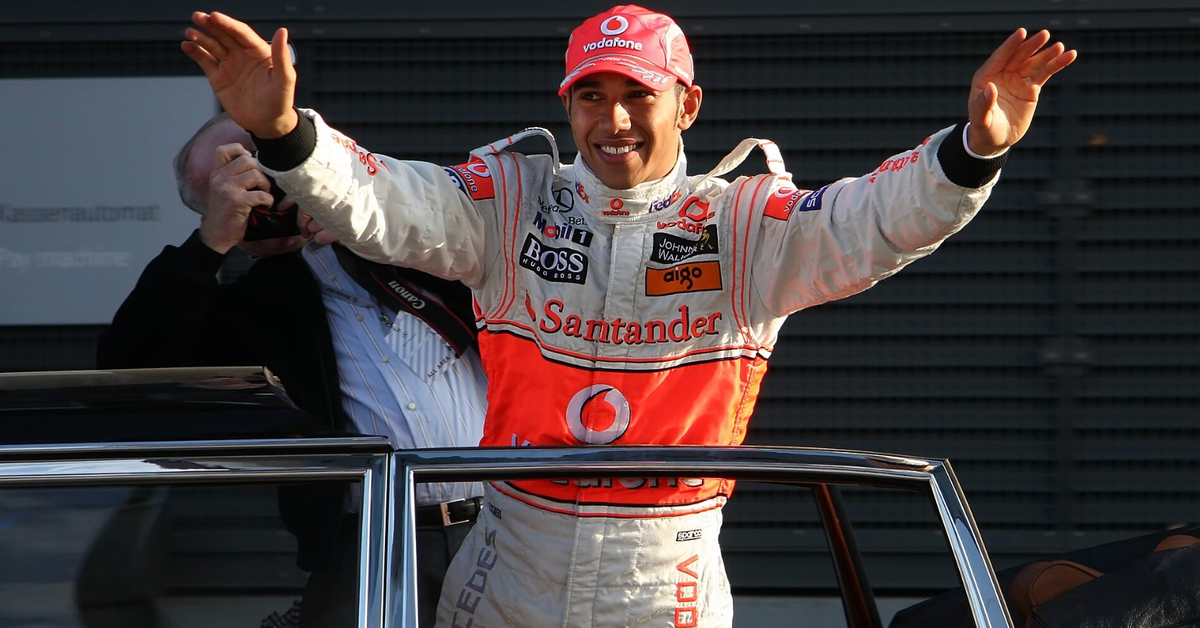
In 2016 the two fastest cars on the grid belonged to the same team. Nico Rosberg beat his Mercedes teammate Hamilton to the championship despite winning nine races to Hamilton's ten. Hamilton's engine failure while leading in Malaysia, set against Rosberg's relentless run of podiums, made the difference. Five days after finally becoming world champion, Rosberg retired from the sport for good.
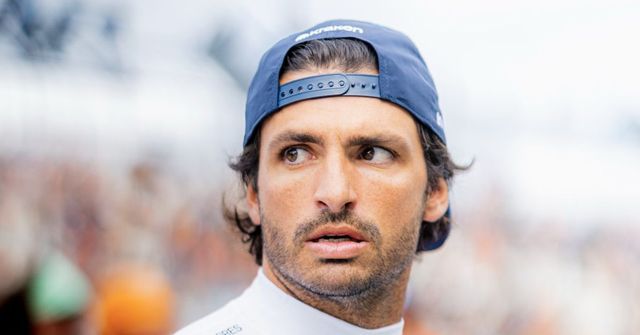
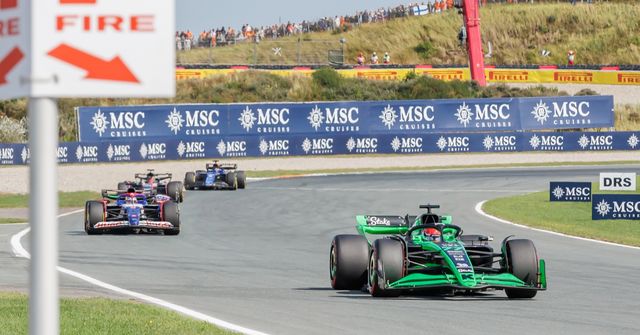
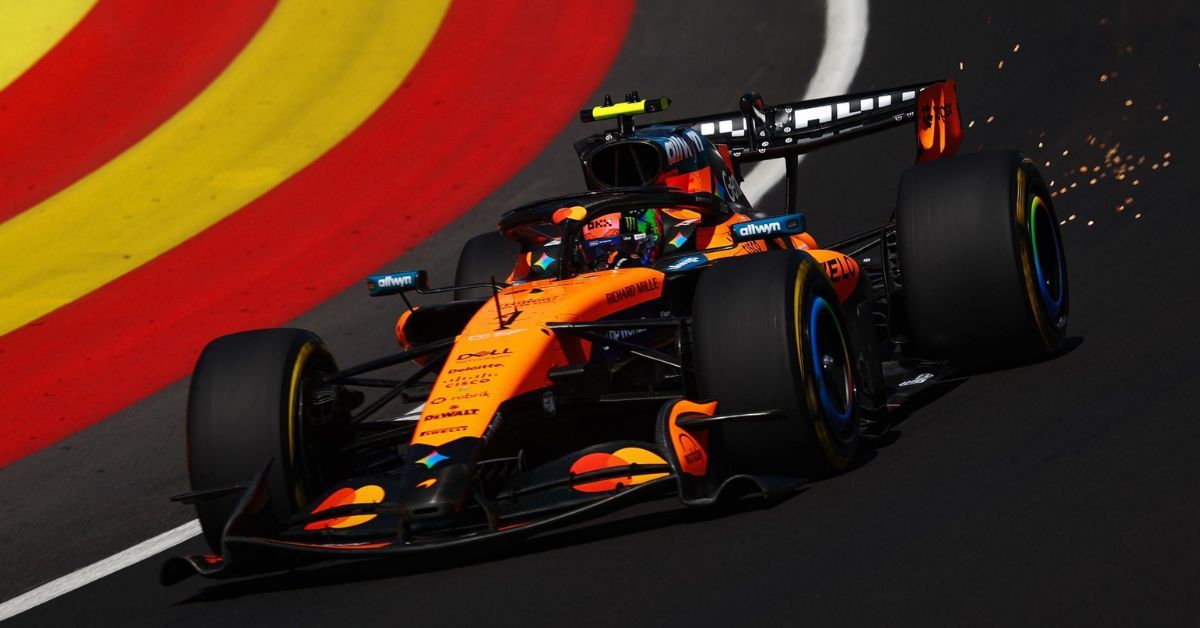
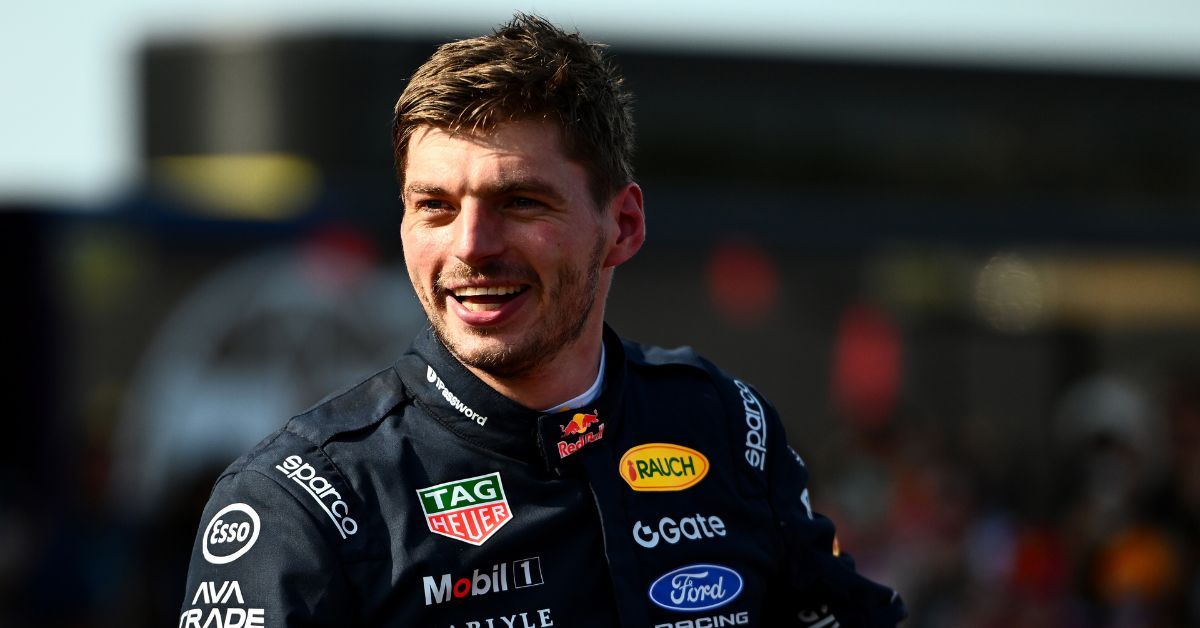
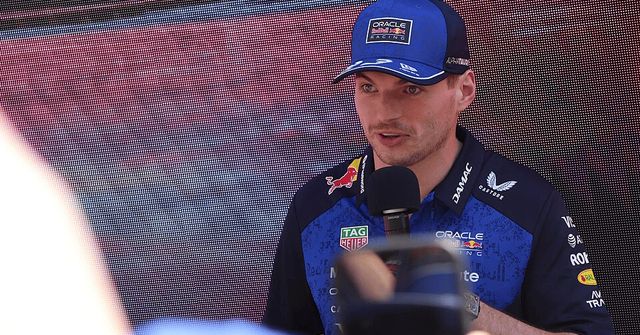
Which brings us back to 2025. Verstappen won eight Grands Prix, more than any other driver on the grid, and finished as runner-up. Norris won seven, the same number as third-placed Oscar Piastri, but strung together the season that mattered and took the championship by two points. The driver who won the most races did not win the title, and for the tenth time in the sport's history the record books show a champion beaten, on raw victories, by the man right behind him.
It is a reminder of what a Formula 1 championship actually measures. Not who wins the most races, but who loses the fewest points. Ten times now, those have not been the same driver.