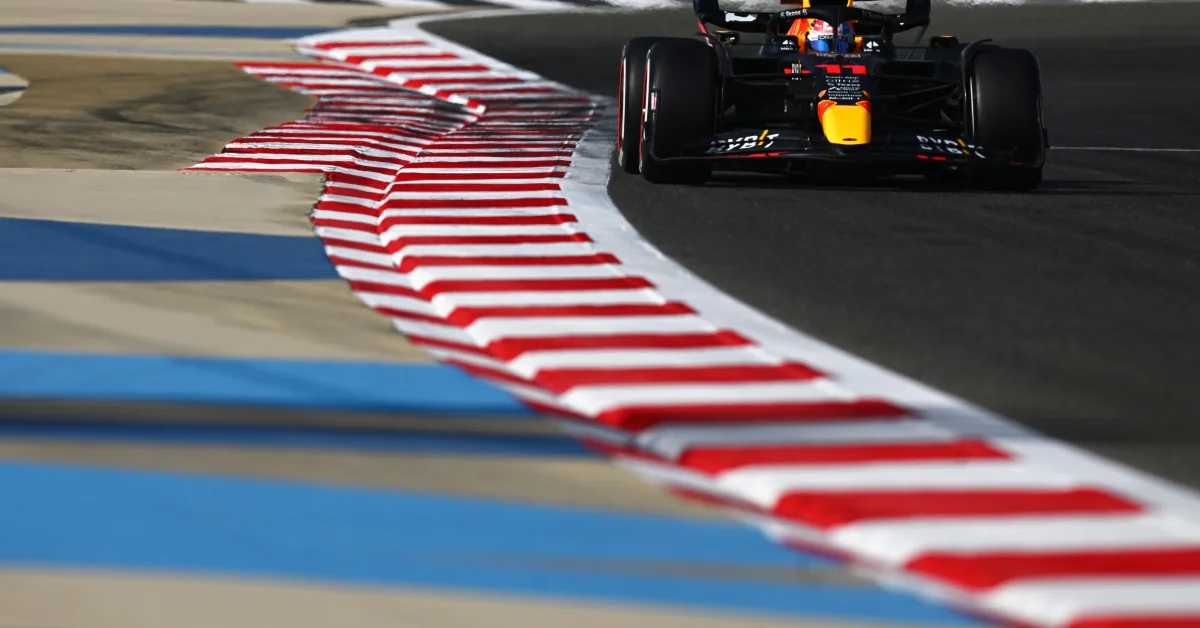
F1 had a big problem to solve: drivers were struggling to follow and overtake each other. This was down to the "dirty air" being produced by the leading car, meaning the following driver lost aerodynamic performance and mechanical grip.
F1 needed a solution and tried the KERs system in 2009. It had mixed results, and despite adding speed to the cars, it was heavy and only helped in straight lines. Despite it still being an option in 2010, no teams continued with the idea. So the sport needed a rethink, and came up with the Drag Reduction System (DRS).
What is DRS and how did it work in F1?
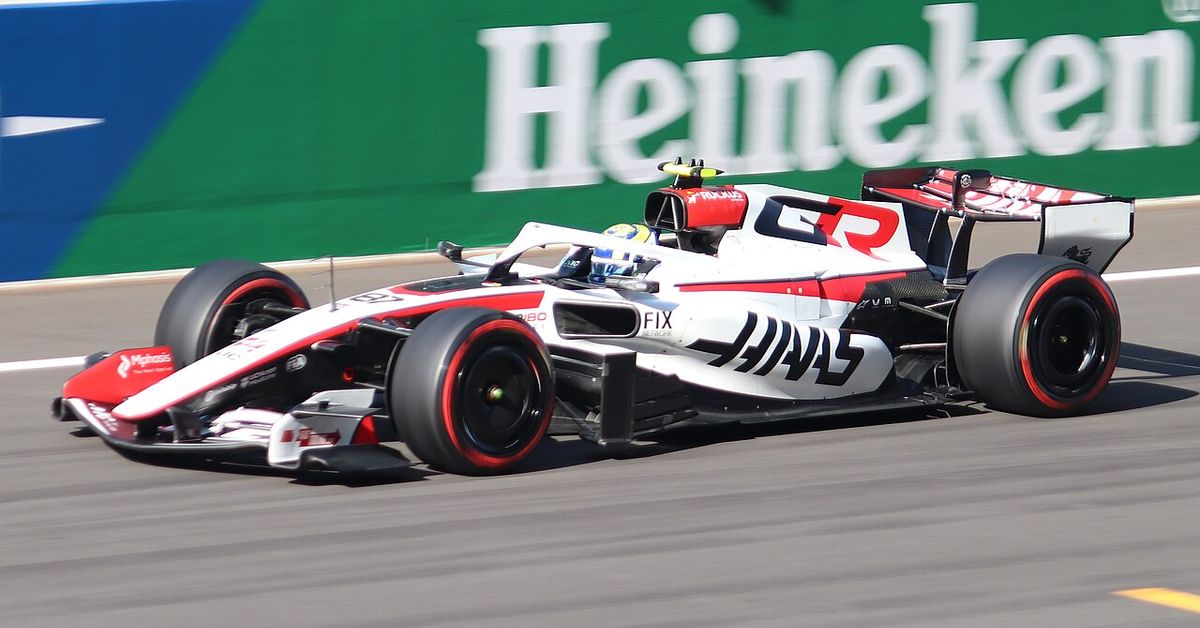
DRS was introduced in 2011 to help aid overtaking. The device was simply a slot in the rear wing which could be opened. This reduced the car's drag and gave the chasing driver more speed.
A driver could only use DRS if they were a second behind the rival they were attacking. The system could also only be used in specified zones, mainly straights. The idea was that it would help drivers get close to their opponents and have to complete the move in the braking zones.
When the device was first brought in, drivers could use it anywhere on the track during qualifying. However, from the 2012 season, the system could only be used in specified zones, much like during the race.
There were issues with DRS. Despite giving drivers more speed on the straights, if the chasing car couldn't get close enough, a "DRS train" would appear. This meant multiple drivers would lose the benefit of the aid, rendering the device not helpful.
F1 waves goodbye to DRS
DRS stayed in F1 from 2011 to 2025. It was largely successful but was having less of an effect in its final years. This wasn't just down to the device, but also the size of cars was making overtaking difficult too.
The new 2026 regulations removed the DRS device for a new active aero system where both the front and rear wings can be opened. Active aero can be used in designated areas of the track, but unlike DRS, it doesn't matter how close you are to another car.
Ferrari has been creative with their active aero and created a "Macarena" wing. Their wing flips and twists 180 degrees, aimed at making the Scuderia go faster on the straights.
DRS certainly helped the sport over the years and created some great battles over its 14-year tenure. However, F1 aims to keep innovating, and the aid was due to be dropped at some point. It is unlikely we will see DRS grace the sport again.